Tracing Benefit Pathways in Slot Gaming: Activation Codes Evolving into Tiered Loyalty Structures
Taylor Hoffmann · Jun 18, 2026

Tracing Benefit Pathways in Slot Gaming: Activation Codes Evolving into Tiered Loyalty Structures
Modern reel gaming ecosystems rely on structured progression systems that start with one-time activation codes and develop into layered tier benefits over extended play periods. These pathways operate through sequential reward mechanisms where initial codes unlock entry points while sustained activity feeds into tier advancement protocols managed by platform algorithms.
Initial Code Deployment and Player Entry Points
Operators distribute one-time activation codes through registration portals and promotional channels. These codes typically grant limited free spins or deposit matches that activate upon first use and expire within defined windows such as 24 to 72 hours. Data from platform analytics shows that approximately 65 percent of new accounts redeem at least one such code within the first session according to aggregated industry reports. The codes serve as onboarding tools that introduce core mechanics without requiring immediate financial commitment from participants.
Once redeemed the system logs the activity and begins tracking additional metrics including total spins volume and session duration. This data collection phase establishes baseline profiles that later determine eligibility for tier movement. Nevada Gaming Control Board statistics indicate that platforms incorporating code-based entry see 22 percent higher initial retention rates compared to those without structured onboarding sequences.
Transition Mechanisms from Single-Use to Recurring Benefits
Transition occurs when accumulated play metrics cross predetermined thresholds. Systems convert one-time code redemptions into ongoing eligibility markers by shifting users into loyalty frameworks. These frameworks assign points based on wager amounts with conversion rates often set at one point per pound or euro staked depending on regional currency standards. Observers note that the shift typically materializes after 200 to 500 qualifying spins within a calendar month.
Platform operators integrate automated triggers that notify users of tier eligibility through in-app messages. The process avoids manual intervention by relying on backend calculations that evaluate daily activity logs. Research from the University of Nevada Reno gaming studies department reveals that such automated transitions increase average session lengths by 18 percent across monitored cohorts.
Tier Structures and Cumulative Advantage Layers
Tier systems divide participants into graduated levels such as bronze silver gold and platinum. Each level unlocks distinct benefit categories including enhanced point multipliers cashback percentages and access to exclusive game variants. Advancement requires consistent metric maintenance over rolling periods usually 30 or 90 days. Those who reach higher tiers receive compounded advantages that build upon lower-level rewards rather than replacing them.
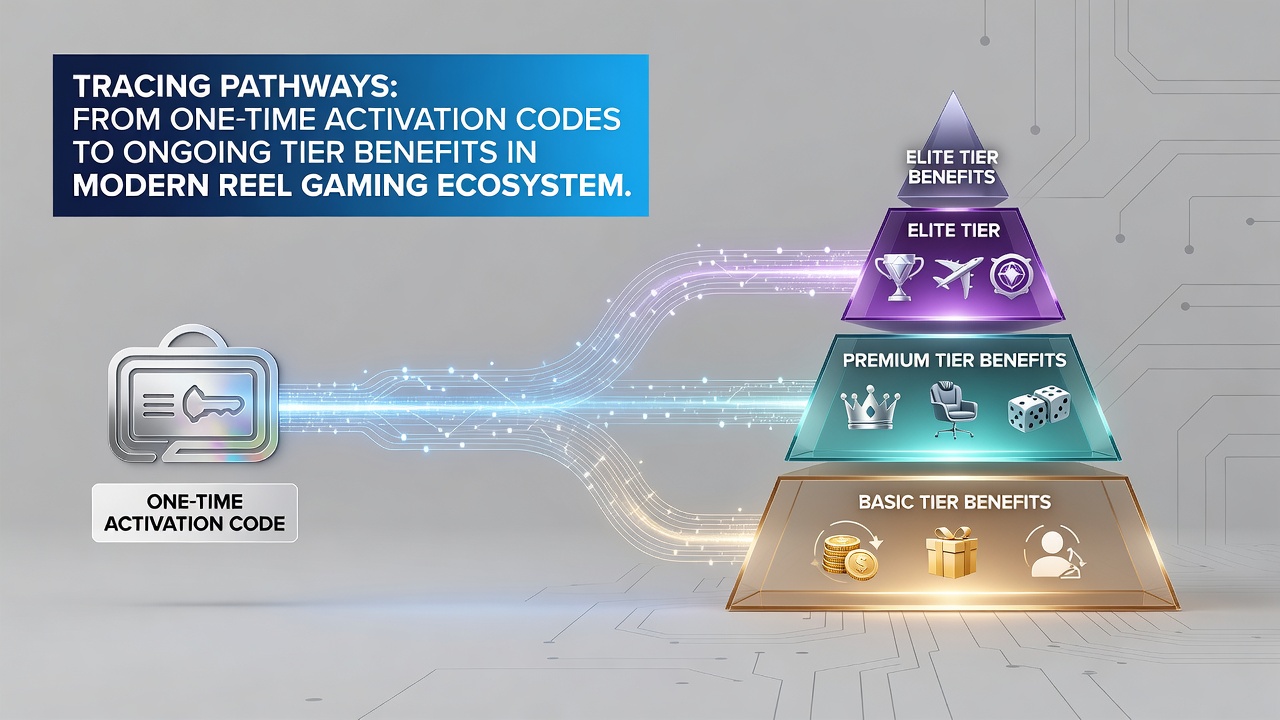
Benefits at advanced tiers encompass priority support channels personalized game recommendations and invitations to limited events. Figures from the European Gaming and Betting Association show that tiered participants generate 47 percent more revenue per active account than entry-level users across sampled operators. The structure creates vertical mobility where initial code usage feeds directly into the lowest tier entry requirements.
Integration with Broader Ecosystem Features
Reel gaming platforms connect code pathways to live event calendars and seasonal promotions. June 2026 updates introduced synchronized tracking modules that align tier progress with cross-platform activities across mobile and desktop environments. These modules permit point carryover when users switch devices without resetting accumulated balances. Integration extends to third-party game providers that feed standardized data streams into central loyalty engines.
Operators employ predictive modeling to forecast tier movement based on early code redemption patterns. Models incorporate variables such as average bet size and game volatility preferences to project future benefit distribution. Those who maintain steady engagement patterns receive anticipatory offers that preview upcoming tier unlocks before thresholds are fully met.
Regional Variations in Pathway Implementation
Implementation differs across jurisdictions due to varying regulatory frameworks. Australian platforms emphasize point accrual tied to responsible play indicators while Canadian systems focus on time-based tier maintenance windows. These variations produce distinct user flows where one-time codes lead to region-specific ongoing benefits. Cross-border operators adapt their algorithms accordingly to maintain compliance while preserving progression continuity.
Industry reports document that hybrid models combining code entry with tier tracking achieve higher long-term engagement metrics. Such models reduce drop-off rates at the transition phase by providing clear visual indicators of progress toward next-level status. The pathways remain dynamic with occasional recalibrations that adjust point thresholds in response to aggregate platform data.
Conclusion
The progression from one-time activation codes to ongoing tier benefits forms a continuous loop within modern reel gaming ecosystems. Initial code usage establishes foundational data profiles that feed automated advancement systems. Tier structures then deliver cumulative advantages that sustain participation through layered reward mechanisms. Regional adaptations and technological integrations continue to refine these pathways as platforms respond to evolving operational requirements.