Tiered Incentive Pathways Reshaping Engagement Loops in Device-Adaptive Reel Environments
Erik Lehmann · Aug 17, 2026
Tiered Incentive Pathways Reshaping Engagement Loops in Device-Adaptive Reel Environments
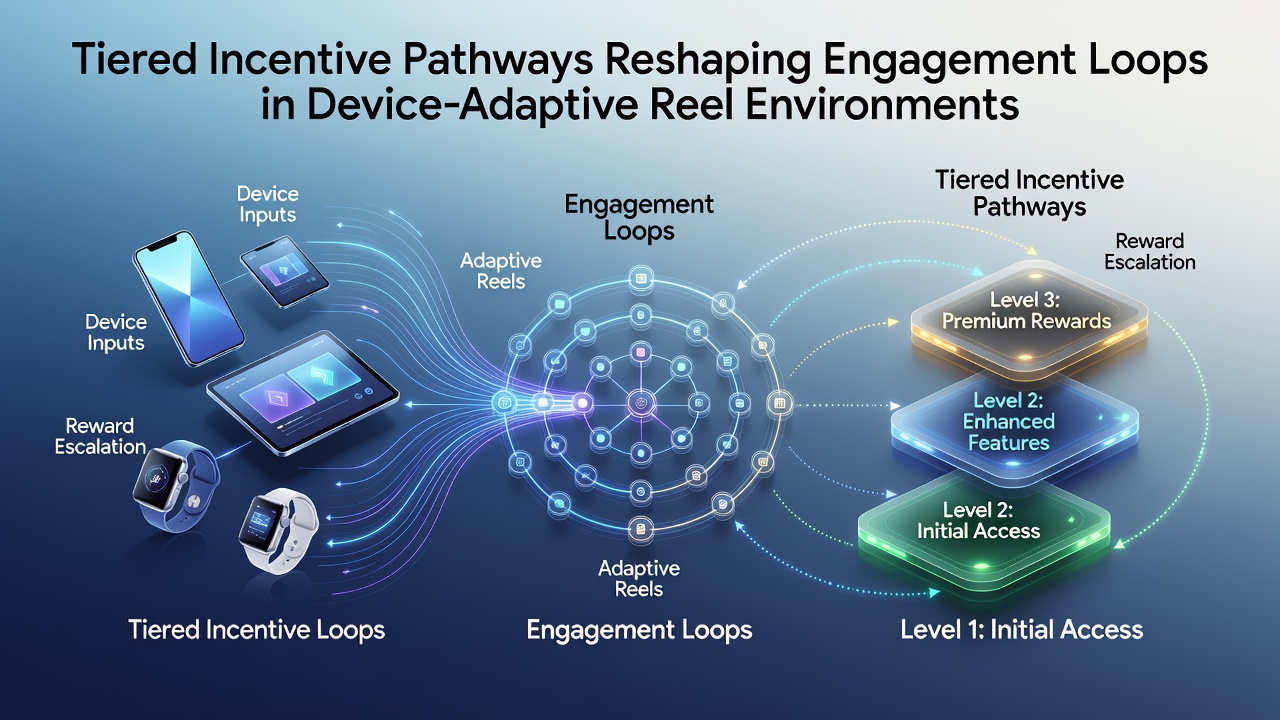
Operators across multiple markets have integrated tiered incentive pathways into slot platforms that adjust automatically based on device type and user behavior patterns, and these systems connect reward progression directly to reel engagement metrics. Data from industry reports shows that players on mobile devices receive prompt-based bonuses while desktop sessions emphasize cumulative loyalty points, yet both pathways feed into the same overarching tier structure. Research indicates that such adaptation maintains consistent session lengths regardless of access point, and developers continue to refine algorithms that detect screen size, input method, and connection stability in real time.
Core Mechanics of Tier Progression
Players advance through incentive tiers by accumulating activity points derived from spins, bet sizes, and session frequency, while the system recalibrates thresholds according to device-specific engagement data. A bronze tier might unlock basic free spin allocations that trigger after a set number of consecutive plays, whereas silver and gold tiers introduce multiplier enhancements and personalized reel features that appear only after crossing defined volume markers. Observers note that these layers create feedback loops where early rewards encourage continued participation, and higher tiers deliver escalating value that sustains longer-term interaction across both short mobile bursts and extended desktop sessions.
Device Adaptation in Practice
Slot interfaces detect whether a session originates from a smartphone, tablet, or desktop browser, then adjust incentive delivery accordingly while preserving the same tier ladder. Mobile users often encounter quick-tap claim buttons for instant spin credits, and desktop environments present detailed progress dashboards that highlight upcoming tier benefits. Studies from gaming technology firms reveal that this differentiation reduces friction in reward redemption, and seamless synchronization ensures that points earned on one device carry over immediately to another without manual intervention.
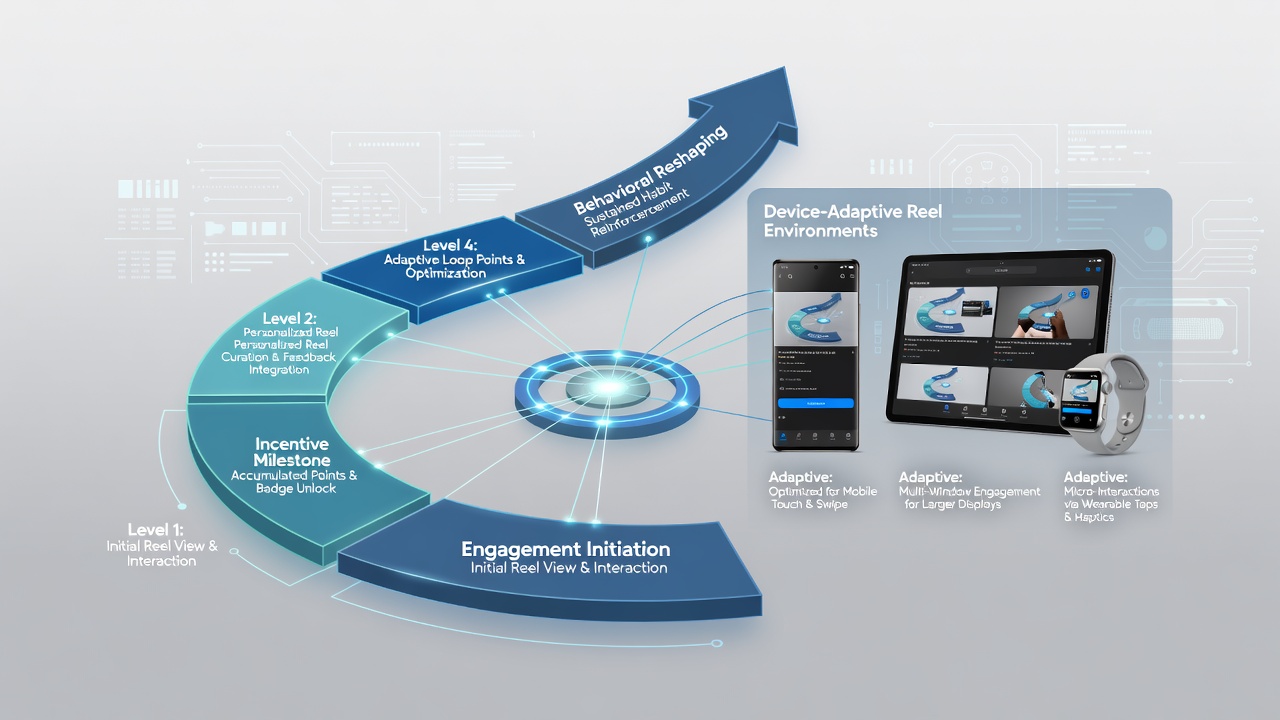
One case examined by researchers at a North American gaming laboratory demonstrated that adaptive pathways increased repeat visits by aligning reward timing with typical usage windows on each platform. The same study tracked how push notifications on mobile complemented email summaries sent to desktop accounts, and both channels funneled players back into active reel sessions at comparable rates.
Impact on Player Retention Patterns
Retention metrics compiled by regional gaming associations indicate that tiered structures correlate with higher monthly active user figures when incentives adapt to device context. Players who reach mid-tier status tend to maintain activity across multiple device types, and the system reinforces this by offering device-specific bonuses that complement rather than duplicate existing rewards. Data shows that such layering prevents stagnation in engagement loops because each tier introduces novel mechanics that refresh the core spinning experience without altering fundamental game rules.
August 2026 saw several platform providers release updated software modules that further tightened the connection between tier status and adaptive reel modifiers, and these updates allowed real-time adjustment of visual effects and bonus frequency based on detected hardware capabilities. External analyses from the American Gaming Association confirm that operators adopting these modules recorded measurable lifts in cross-device session continuity during the following quarter.
Integration With Broader Loyalty Frameworks
Tiered pathways rarely operate in isolation and instead connect to wider loyalty ecosystems that incorporate cashback percentages, tournament entries, and exclusive event access. The progression from entry-level to premium tiers therefore influences not only reel behavior but also participation in ancillary features such as leaderboard competitions and seasonal promotions. Industry reports from the European Gaming and Betting Association document that unified tier systems reduce player churn by presenting a single, coherent advancement track regardless of how or where sessions occur.
Future Adjustments and Monitoring
Developers continue to monitor performance indicators such as average spins per session and tier completion velocity, then apply incremental refinements to incentive values and device-specific triggers. Regulatory bodies in various jurisdictions require transparent disclosure of how adaptive algorithms influence reward distribution, and compliance documentation now routinely includes device-type breakdowns alongside traditional player segmentation data. These reporting practices help maintain consistent standards while allowing platforms to evolve their engagement models in response to shifting usage trends.
Conclusion
Tiered incentive pathways have become central to how slot environments sustain player activity across adaptive device ecosystems, and ongoing technical updates ensure these structures remain responsive to both hardware variations and behavioral data. The result is a dynamic loop where progression, reward timing, and platform-specific presentation work together to support extended and varied participation patterns.