Slot Incentives and the Development of Consistent Play Behaviors
Erik Lehmann · Jul 30, 2026
Slot Incentives and the Development of Consistent Play Behaviors
Mechanisms Behind Routine Engagement
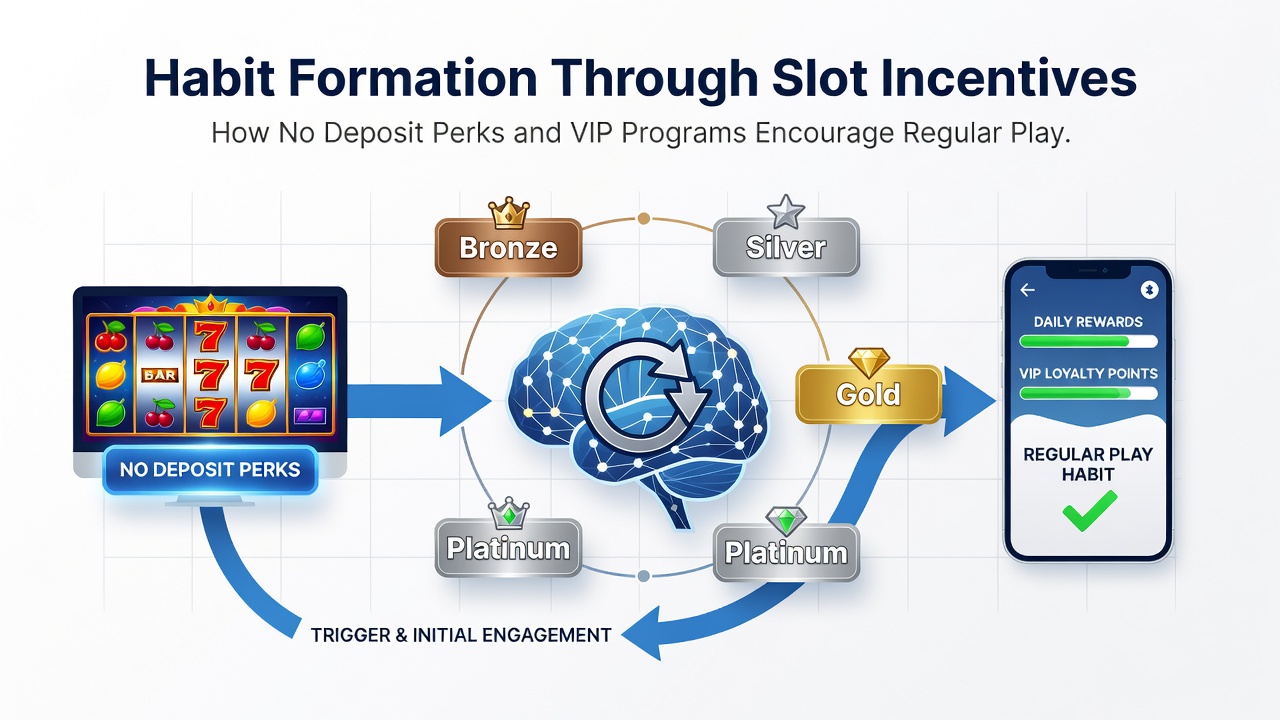
Slot operators structure no-deposit perks and tiered VIP programs to align with established patterns of repeated behavior, where small initial rewards create entry points that lead into sustained activity over weeks and months. Data from industry reports show that players who receive zero-deposit credits often return within the first 48 hours to complete wagering requirements, after which additional incentives such as reload matches or cashback offers maintain momentum. These sequences rely on fixed schedules of reinforcement that mirror principles documented in behavioral research conducted at institutions including the University of Nevada, Las Vegas.
No-Deposit Perks as Entry Triggers
Operators distribute no-deposit offers through email campaigns, mobile app notifications, and affiliate channels, each calibrated to reduce the barrier to the first session. Figures released by the American Gaming Association indicate that such promotions correlate with higher first-week retention rates across participating properties, because the absence of an upfront financial commitment allows individuals to test game mechanics without immediate risk. Once play begins, the transition to deposit-based features occurs through timed prompts that appear after a set number of spins, converting the initial free session into a paid routine. Studies tracking transaction logs reveal that players who accept these entry offers demonstrate more frequent log-ins during the subsequent 30-day window compared with those who start without incentives.
VIP Structures and Progressive Reward Ladders
Tiered loyalty systems assign points for every spin, then unlock escalating benefits that include personalized bonuses, faster withdrawal processing, and exclusive game access. The Australian Communications and Media Authority has compiled statistics showing that members enrolled in multi-level programs exhibit steadier weekly play volumes than non-members, because each tier advance supplies new goals that sustain engagement. Points accumulation follows predictable formulas, with higher tiers requiring greater volumes of activity to maintain status, which in turn encourages players to schedule sessions across multiple days rather than isolated visits. One documented pattern involves players who reach mid-tier status increasing their average session length by approximately 25 percent within the first quarter of enrollment, according to aggregated operator data shared through trade associations.
Integration of Daily and Weekly Incentives
Many platforms layer daily free spins or weekly cashback atop the base VIP framework, creating overlapping cycles that fill gaps between larger promotions. These recurring elements operate on fixed intervals, prompting log-ins at consistent times and reinforcing the habit loop through immediate small rewards. Research published in the Journal of Gambling Studies has examined how such overlapping schedules reduce the likelihood of extended breaks, because the next available incentive always sits within a short time horizon. Operators adjust the value and frequency of these offers based on individual play histories, producing customized calendars that further embed regular participation into daily or weekly routines.
Regulatory Context and Timeline Adjustments
Global regulatory shifts continue to influence how these incentive structures operate, with certain jurisdictions implementing new compliance frameworks scheduled for rollout around mid-2026. These changes focus on transparency requirements for bonus terms and responsible gaming messaging, yet they leave room for operators to maintain core loyalty mechanics while updating disclosure language. Industry analysts note that platforms have begun pre-adjusting reward schedules to accommodate the forthcoming standards without disrupting established player patterns.
Measurement of Long-Term Play Patterns
Retention metrics collected by gaming analytics firms demonstrate that players exposed to combined no-deposit and VIP pathways show elevated rates of return visits at the 90-day and 180-day marks. These patterns hold across multiple markets when controlling for game type and average bet size. The progression from initial free credit to ongoing loyalty participation follows a measurable sequence: acceptance of the entry offer, completion of wagering thresholds, enrollment in the rewards program, and subsequent advancement through tiers. Each stage adds another layer of commitment that operators track through account-level data.
Conclusion
Slot incentive systems combine immediate no-deposit entry points wth progressive VIP structures to support the formation of regular play intervals. Available data from regulatory bodies and academic sources document consistent increases in return frequency and session regularity among participants who engage with these layered offers. As compliance requirements evolve in 2026 and beyond, the underlying architecture of these programs continues to emphasize scheduled rewards that align with observed behavioral tendencies.