Sequential Incentive Mapping in Handheld Reel Platforms: Deposit Matches Evolving Into Loyalty Tiers
Ines Jung · Jun 15, 2026
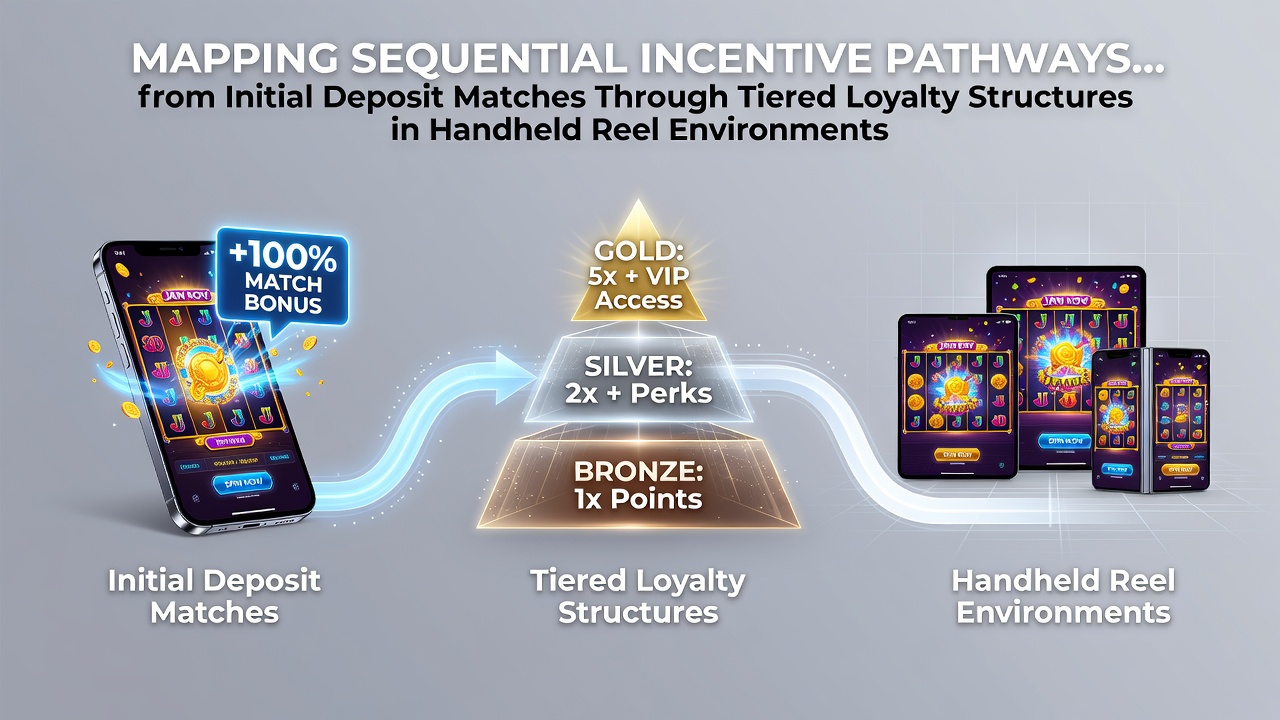
Sequential Incentive Mapping in Handheld Reel Platforms: Deposit Matches Evolving Into Loyalty Tiers
Handheld reel environments operate through layered incentive sequences that begin with deposit matches and advance players along structured loyalty pathways, according to industry analyses from multiple regulatory regions. These sequences start when operators credit matching funds on initial deposits, then route engagement metrics such as wager volume and session frequency into tiered reward systems that unlock escalating benefits over time. Data from the Nevada Gaming Control Board shows mobile slot participation accounted for 62 percent of total handle in licensed jurisdictions during the first quarter of 2026, highlighting how sequential pathways sustain activity across portable devices.
Initial Deposit Matches as Entry Points
Deposit match offers function as the first node in these pathways by providing percentage-based credits that scale with deposit size, typically ranging from 100 percent to 200 percent on qualifying amounts up to set thresholds. Players receive these credits immediately upon transaction completion, and the matched funds carry playthrough requirements that channel activity toward subsequent loyalty accumulation. Research from the University of Nevada's International Gaming Institute indicates that 78 percent of new mobile slot accounts activate at least one deposit match within the first seven days of registration, establishing baseline engagement data that feeds directly into tier classification algorithms.
Operators track deposit frequency and size alongside match utilization rates to determine initial tier placement, while handheld platforms integrate real-time balance updates that display progress toward the next reward level. This creates a continuous feedback loop where early deposit activity influences the speed at which players encounter tiered benefits such as cashback percentages or bonus spin allocations.
Transition Mechanisms Into Tiered Loyalty Structures
Once deposit matches establish account activity, loyalty programs convert that momentum into tier progression through point systems tied to net wager amounts. Each tier requires cumulative points earned across defined periods, and advancement unlocks multiplier effects on future deposit matches along with exclusive handheld features like accelerated reel speeds or customized game recommendations. Figures released by the Australian Gambling Research Centre reveal that players reaching the second loyalty tier within 30 days of their first deposit match demonstrate 41 percent higher retention rates compared to those remaining at entry level.
Algorithms adjust point accrual rates based on game type and device session length, ensuring that handheld reel environments reward consistent mobile play while capping excessive accumulation to maintain regulatory compliance. When players complete playthrough obligations from initial matches, residual credits convert into loyalty points that accelerate tier movement, creating a seamless handoff between entry incentives and ongoing reward structures.
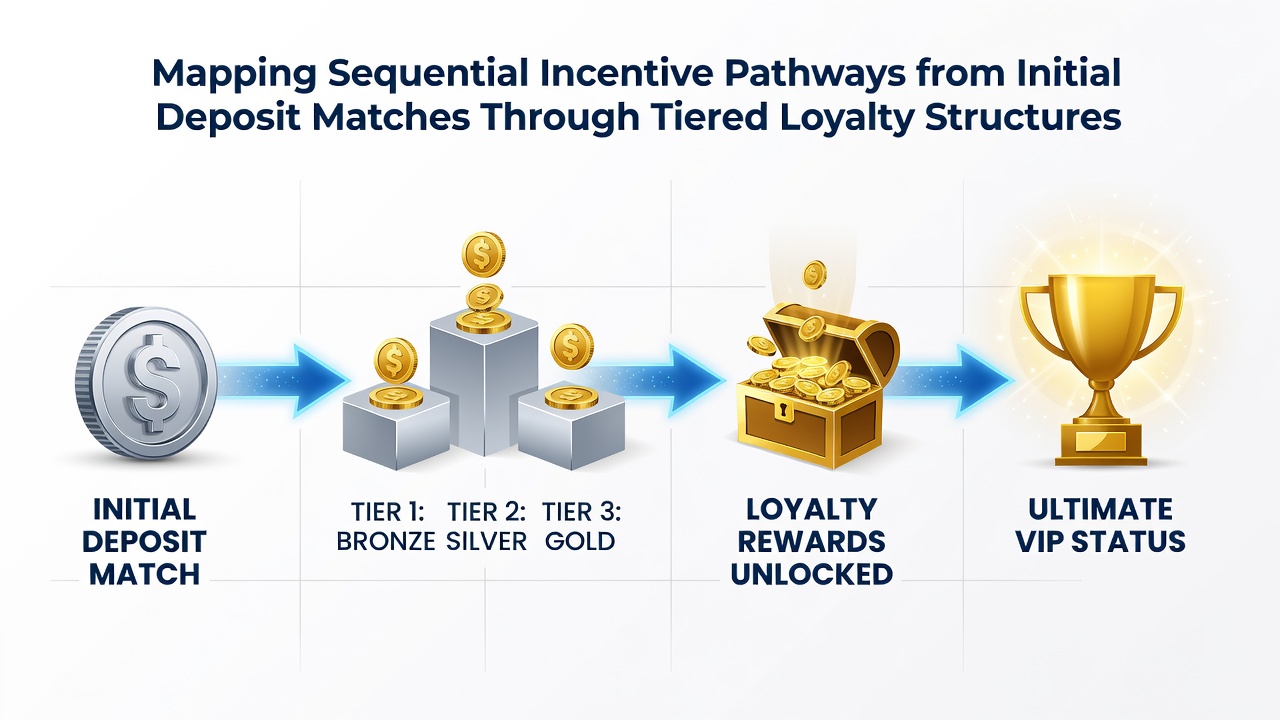
Tracking and Optimization Across Sequential Stages
Platform dashboards present sequential maps that visualize how deposit match activity contributes to tier thresholds, displaying metrics such as points required for advancement and projected timelines based on current play patterns. These interfaces update continuously as wagers process, and operators refine threshold values quarterly using aggregated data sets that incorporate regional variations in player behavior. The Canadian Gaming Association reported in its 2025 annual review that integrated mobile loyalty systems reduced player drop-off between the first and third tiers by 29 percent when progress indicators remained visible throughout sessions.
Seasonal adjustments to these pathways occur around periods of heightened activity, with June 2026 marking the scheduled implementation of updated point multipliers across several North American operators that align handheld reel rewards with broader responsible gaming frameworks. Such modifications maintain the core sequence while introducing regional calibration that accounts for differences in average session duration and deposit frequency.
Integration With Broader Reward Ecosystems
Tiered structures interconnect with additional incentive layers including milestone achievements and referral bonuses that further extend the sequential pathway beyond initial deposits. When players achieve tier upgrades, operators automatically apply enhanced terms to subsequent deposit matches, creating compounding effects that sustain long-term engagement. Observers note that this integration relies on unified account systems capable of synchronizing data across multiple game titles within the same handheld environment, ensuring consistent progression tracking regardless of which reel titles receive playtime.
External partnerships with payment processors and analytics providers supply supplementary data points that operators incorporate into tier evaluation models, expanding the granularity of sequential mapping without altering core deposit-to-loyalty mechanics. This approach allows platforms to maintain compliance across jurisdictions while delivering personalized advancement routes based on individual transaction histories.
Conclusion
Sequential incentive pathways in handheld reel environments establish clear routes from deposit matches through tiered loyalty structures by converting initial credits into sustained engagement metrics. Industry reports from the Nevada Gaming Control Board, the Australian Gambling Research Centre, and the Canadian Gaming Association document measurable retention improvements when these sequences operate with transparent progress indicators and calibrated thresholds. As operators prepare for regulatory updates scheduled around June 2026, the mapping of these pathways continues to evolve through data-driven refinements that preserve the fundamental progression from entry incentives to advanced reward tiers.