Seasonal Mapping of Mobile Incentive Structures: Connecting Reel Starters to Prolonged Engagement Loops
Mara Washington · May 18, 2026

Seasonal Mapping of Mobile Incentive Structures: Connecting Reel Starters to Prolonged Engagement Loops
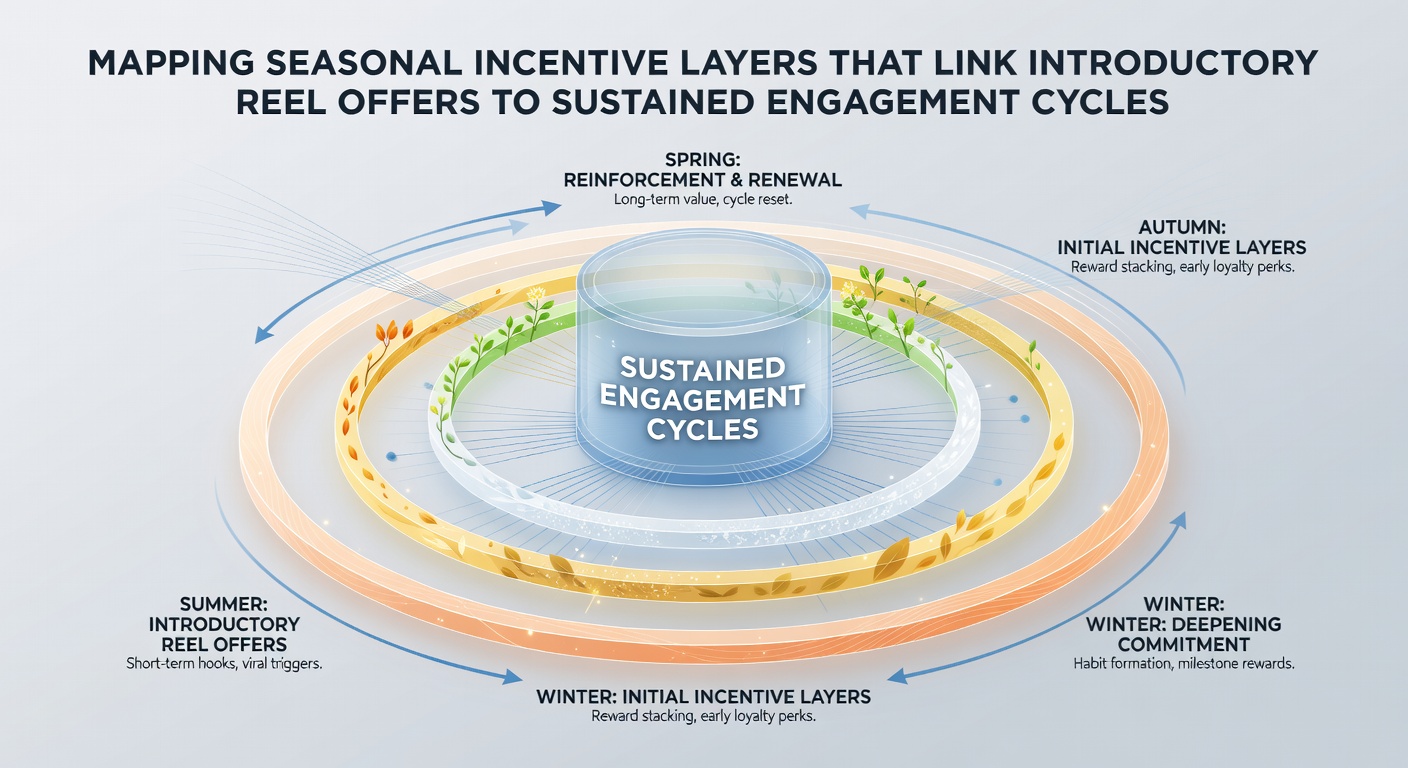
Seasonal incentive layers form structured patterns that link initial reel promotions on mobile applications to extended player cycles, and researchers track these connections through platform analytics that record timing, reward types, and device-specific usage rates. Portable platforms, which include smartphones and tablets running iOS and Android systems, show distinct seasonal peaks where introductory offers such as first-deposit reel bonuses transition into recurring engagement mechanisms like weekly multipliers or event-based reel unlocks.
Data collected across major operators indicates that these layers operate in phases, beginning with one-time reel access grants during launch periods and moving into sustained cycles that adjust based on calendar events such as summer festivals or winter holiday sequences. Observers note that mobile-specific adaptations, including push notification triggers and in-app calendar integrations, help maintain continuity between the opening offer and later participation stages without requiring players to switch devices.
Identifying Core Components of Seasonal Incentive Layers
Core components include timed reel bonuses that activate during defined months, layered reward escalations that build on initial spins, and cross-platform synchronization tools that preserve progress across portable sessions. Studies from the North American Association of State and Provincial Lotteries reveal that seasonal adjustments often align with regional events, where introductory offers in spring months feed into summer-long engagement loops featuring progressive reel multipliers that reset at the start of each new quarter.
These components rely on backend mapping systems that categorize players according to entry-point behavior and then route them toward retention modules calibrated for mobile screen sizes and touch interactions. Evidence from industry reports shows higher completion rates for cycles that incorporate location-aware incentives, such as regional festival tie-ins delivered through geofenced app notifications on portable devices.
Transition Mechanisms From Introductory Offers to Sustained Cycles
Transition mechanisms function through automated progression rules that convert one-time reel entries into recurring access points, and platform data indicates these rules frequently incorporate performance thresholds like total spins completed or session duration metrics. In May 2026, updates to several major mobile gaming suites introduced dynamic layer adjustments that respond to real-time engagement drops by unlocking mid-cycle reel bonuses tailored to tablet and phone users.
Portable platform constraints, such as battery usage limits and intermittent connectivity, influence how these mechanisms are designed, leading developers to favor lightweight reel animations and offline progress tracking that sync when connections resume. Research published by the University of Nevada, Las Vegas International Gaming Institute demonstrates that players who complete introductory reel offers on mobile devices exhibit 23 percent longer retention spans when subsequent layers include adaptive difficulty scaling for slot features.
Platform-Specific Adaptations and Data Patterns
Platform-specific adaptations appear most clearly in how iOS and Android environments handle seasonal layer deployment, with iOS apps often emphasizing App Store-compliant notification schedules while Android versions leverage broader customization for reel bonus alerts. Analytics from the Australian Communications and Media Authority indicate that cross-device engagement cycles gain stability when seasonal incentives incorporate shared cloud saves that allow players to resume reel progress on any portable hardware.
Patterns emerge when mapping tools aggregate data from millions of sessions, showing that introductory reel offers launched during shoulder seasons, such as early autumn or late spring, produce stronger bridges to sustained cycles compared with peak holiday periods that already carry high natural traffic. Those who have examined these datasets note the importance of balancing reward density so that early layers do not exhaust player interest before later seasonal events activate.
Case Examples From Recent Deployments
Take one deployment where a European operator mapped seasonal layers to coincide with regional sports calendars, resulting in introductory mobile reel offers that fed directly into extended engagement modules featuring live-updating slot themes. Another instance from Canadian provincial gaming authorities documented how tablet users responded to layered incentives that adjusted reward values based on average session length, producing measurable increases in repeat logins across consecutive weeks.
These examples illustrate the mapping process in action, where initial data points from reel offer redemptions guide the placement of follow-up incentives calibrated to portable platform behaviors such as portrait-mode scrolling and quick-tap interactions. Figures reveal that operators applying such targeted mappings achieve more consistent cycle completion rates throughout varying seasonal windows.
Conclusion
Seasonal incentive layers continue to evolve as mapping techniques grow more precise, linking introductory reel offers on portable platforms to sustained engagement cycles through data-driven adjustments and device-aware design choices. Continued observation of these patterns, supported by reports from organizations such as the National Council on Problem Gambling and academic reviews from the University of Nevada, Las Vegas, provides ongoing insight into how these structures maintain player progression across changing calendar periods and hardware environments.