Recognizing Play Habits: Slot Operators Customize Free Spins Through Behavioral Analysis
Taylor Hoffmann · Jun 1, 2026

Recognizing Play Habits: Slot Operators Customize Free Spins Through Behavioral Analysis
Slot platforms have developed sophisticated systems that track user activity across sessions, and these tools allow operators to adjust free spin distributions according to observed patterns in betting frequency, session duration, and preferred game types. Data collection happens in real time through integrated software that logs every wager, win, and time spent on specific titles, which creates detailed profiles for each account holder without requiring manual input from players themselves.
Data Collection Mechanisms Behind Custom Allocations
Operators gather information on metrics such as average bet size per spin, intervals between logins, and responses to previous bonus offers, while algorithms process this input to predict future engagement levels. Studies from research institutions indicate that these methods rely on machine learning models trained on anonymized datasets spanning millions of interactions, and the models identify clusters of similar behaviors that correlate with higher retention rates when free rotations get assigned at optimal moments. One operator in a European market implemented such a system in early 2025, and it resulted in free spin offers that aligned more closely with individual play cycles rather than uniform distributions across the entire user base.
Session length serves as another key variable, because players who complete extended runs on high-volatility games often receive allocations that encourage continued activity during peak hours, whereas shorter-session users might see offers timed for quick returns. Regulatory frameworks in various jurisdictions require transparency in how personal data informs these decisions, and compliance involves regular audits of the underlying code to prevent unintended biases in allocation logic.
Algorithmic Tailoring and User Habit Profiles
Behavioral segmentation divides players into categories based on historical data, and each segment receives free spin packages calibrated to match typical activity rhythms. For instance, frequent low-stake participants might access smaller batches of rotations spread across multiple days, while high-volume users encounter larger allocations tied to specific milestones in their play history. Research published by academic groups at institutions focused on digital entertainment economics shows that such customization can increase average session counts by noticeable margins when compared against static bonus models that ignore individual variances.
What's notable here is the integration with loyalty tracking modules, because these systems update profiles dynamically as new data arrives, and adjustments happen automatically without human intervention in most cases. A case involving a North American platform demonstrated how shifting from fixed weekly offers to pattern-based ones altered redemption rates, with the change occurring around mid-2025 before broader adoption accelerated.
Industry Implementation Trends Through Mid-2026
By June 2026, several major platforms had expanded their pattern recognition capabilities to include cross-device tracking, which accounts for shifts between mobile and desktop usage within the same account. This expansion builds on earlier frameworks established in 2024, and it allows operators to refine free rotation timing based on location data and device preferences that emerge from aggregated logs. Industry reports from groups such as the American Gaming Association highlight how these advancements support compliance with regional standards while maintaining operational efficiency across large user pools.
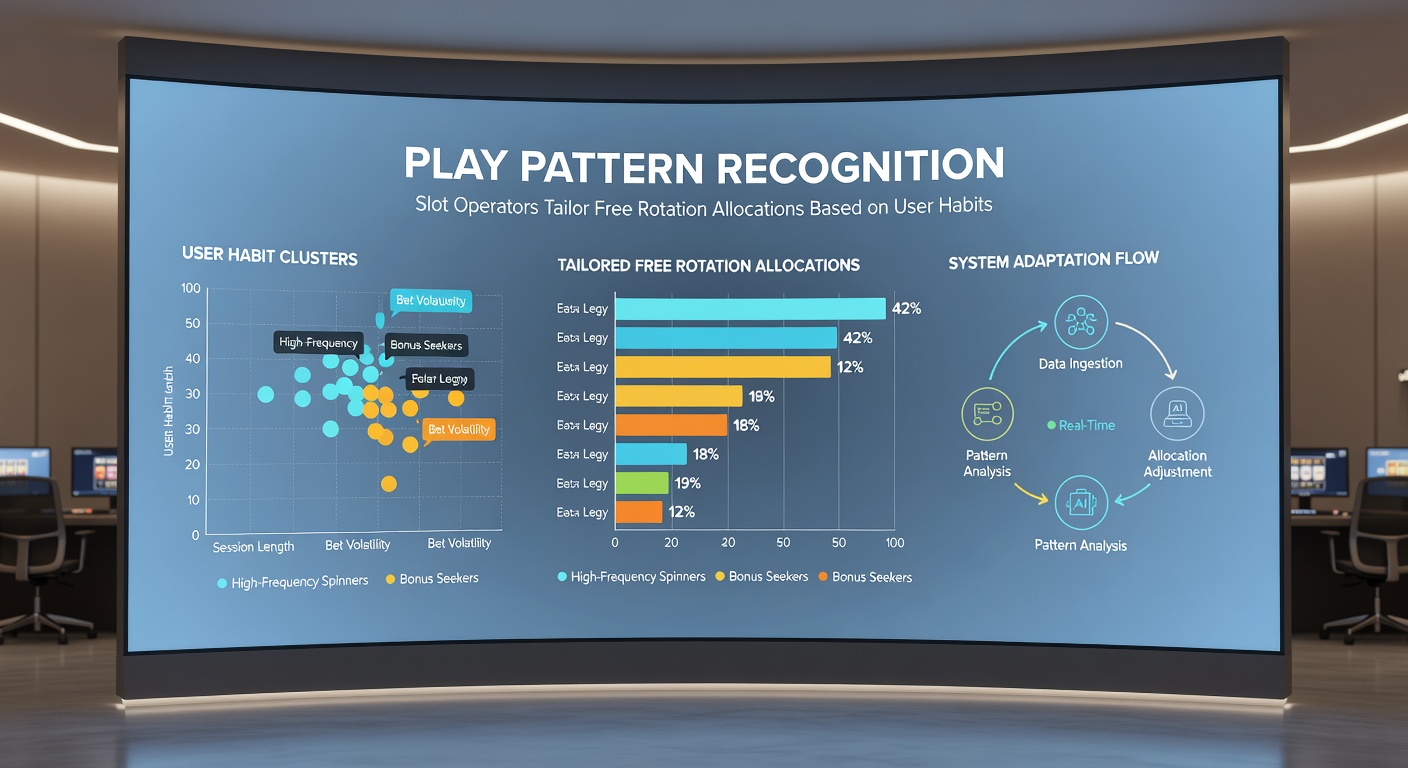
Operators also incorporate feedback loops that measure the impact of each allocation round, and they use performance metrics like return visits and deposit frequency to recalibrate the underlying parameters. One documented rollout in an Asian market revealed that incorporating time-of-day preferences into the models led to more precise matching of offers with habitual login windows, and similar techniques have since appeared in other regions through shared technology providers.
Regulatory and Technical Considerations
Technical standards from bodies like the Malta Gaming Authority require that allocation algorithms undergo independent testing to verify fairness in how habits influence outcomes, and this process includes review of data sources to ensure they remain limited to gameplay metrics rather than external personal details. Players retain options to adjust certain privacy settings that affect data usage, although core functionality for bonus personalization continues to operate on anonymized aggregates in line with established guidelines.
Further developments include the use of predictive analytics to forecast periods of reduced activity, and operators deploy targeted free spin incentives during those windows to sustain engagement levels. Evidence from longitudinal datasets compiled by international research consortia demonstrates consistent patterns where habit-aligned offers correlate with steadier participation rates across demographic groups.
Conclusion
Pattern recognition technology continues to shape how slot operators distribute free rotations, and the approach centers on empirical analysis of user data to generate allocations that reflect actual habits rather than generic schedules. As platforms refine these systems through ongoing data inputs and regulatory oversight, the resulting offers integrate more seamlessly with individual play rhythms while adhering to transparency requirements across jurisdictions. Observers note that continued evolution in this area will likely depend on advances in data processing capabilities and alignment with emerging standards in digital gaming markets worldwide.