Progressive Reward Ladders: Turning One-Time Spins into Lifelong Cross-Device Slot Routines
Gisela Albrecht · Aug 8, 2026
Progressive Reward Ladders: Turning One-Time Spins into Lifelong Cross-Device Slot Routines
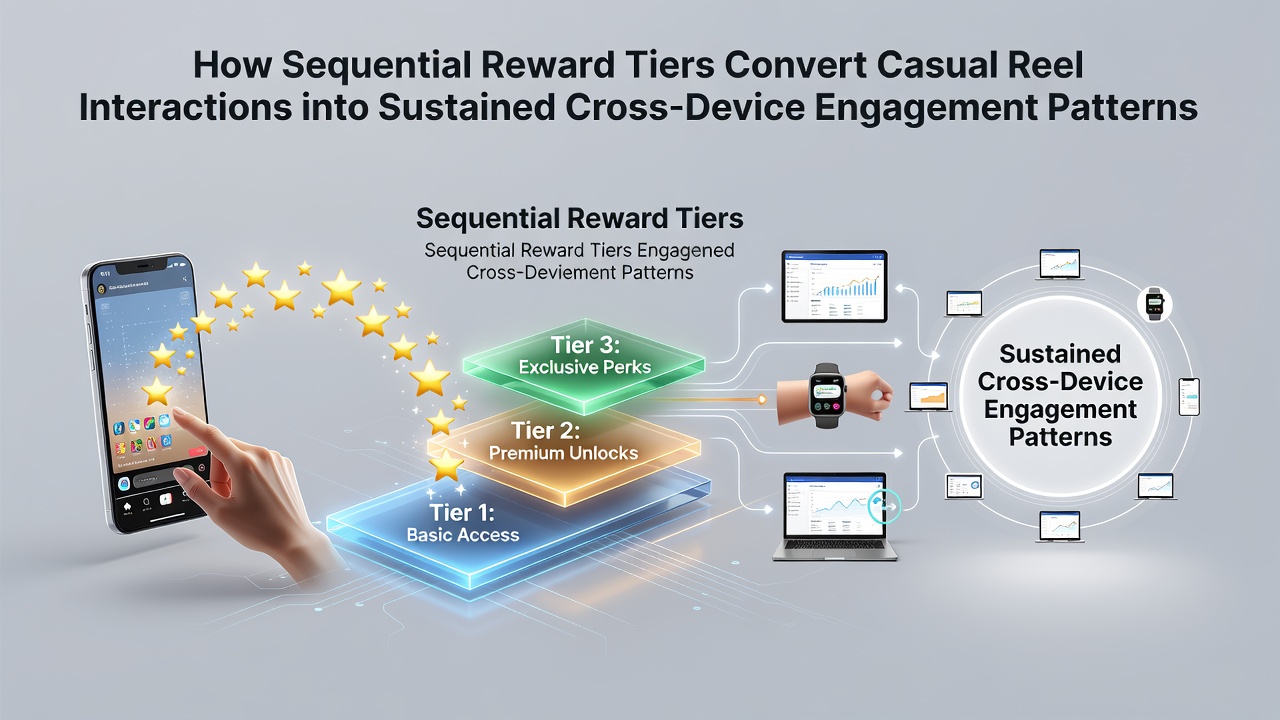
Sequential reward tiers operate through structured progression systems that begin with entry-level incentives and advance through defined milestones, converting initial reel interactions into repeated sessions across smartphones, tablets, and desktop platforms. Industry data shows these layered structures rely on escalating benefits such as bonus spins, cashback percentages, and exclusive access that unlock only after specific activity thresholds are met.
Mechanics Behind Tier Advancement
Operators design entry tiers around simple actions like completing a set number of spins or achieving modest wager totals, which then feed into mid-level rewards including higher match rates on deposits and personalized game recommendations. Higher tiers introduce cross-device synchronization features, allowing progress to carry over automatically when players switch from mobile apps to browser-based play, while data from multiple markets indicates this continuity reduces drop-off rates between sessions. Researchers at institutions tracking digital gambling patterns have noted that the predictability of these ladders encourages users to maintain streaks, particularly when daily login bonuses stack with tier-specific multipliers that reset on a monthly cycle.
Cross-Device Synchronization Features
Modern platforms integrate cloud-based tracking so that reel history, accumulated points, and pending rewards remain accessible regardless of the device in use, creating seamless handoffs that keep engagement steady. In August 2026 several major operators expanded these systems to include real-time notifications that alert users when a tier threshold is close, prompting continued play on whichever device is convenient at the moment. Observers note that this technical infrastructure turns isolated spins into chained interactions because the system remembers preferences and carries forward any partial progress without requiring manual input from the player.
Take one case where a mid-sized European operator introduced device-agnostic tier tracking in early 2025. Figures from that rollout revealed a measurable increase in weekly active users who engaged on at least two different platforms, with the largest gains appearing among those who started on mobile and later continued on desktop during evening hours. Similar patterns appear in reports compiled by the Nevada Gaming Control Board, which document how synchronized loyalty data correlates with extended session lengths across multiple access points.
Conversion Patterns from Casual to Sustained Play
Initial interactions often consist of low-stakes spins triggered by promotional offers, yet the tier structure quickly introduces small but recurring incentives that reward consistency rather than single large wins. Players advance when they accumulate qualifying activity over consecutive days or weeks, and the resulting benefits such as faster withdrawal processing or access to exclusive reel variants create compounding reasons to return. What's interesting is how these systems embed reminders into the interface itself, displaying current tier status and the exact steps needed for the next level whenever the app or site loads on any device.
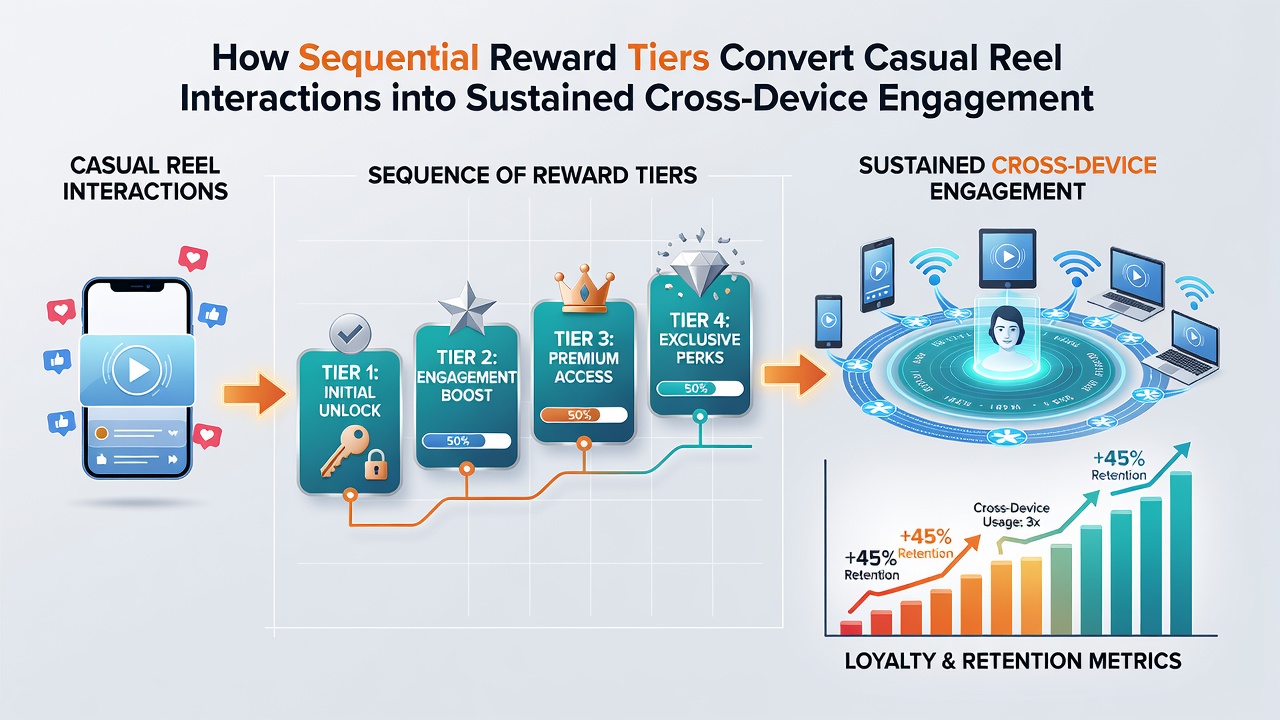
Academic analyses from the Australian Gambling Research Centre have examined comparable progression models and found that users who reach the second or third tier within the first month demonstrate markedly higher retention rates six months later. The studies highlight that the psychological pull stems from visible progress bars and immediate feedback, elements that translate effectively whether the interface appears on a small screen or a larger monitor. Because the same account governs all devices, the momentum built on one platform directly influences behavior on others, turning what might have been sporadic play into habitual routines.
Role of Timing and Notification Systems
Push notifications and in-app prompts timed to coincide with approaching milestones further reinforce the pattern, reminding users that their next tier benefit sits only a few spins away. These alerts function across platforms because they tie to the central account rather than any single device, maintaining continuity even when players switch environments. Data collected during 2025 and into 2026 shows elevated engagement spikes immediately following such notifications, particularly when the message includes both the remaining requirement and the specific reward waiting on the other side.
Operators also layer time-limited challenges onto the core tier system, such as weekend spin goals that contribute extra points toward advancement. These temporary events accelerate movement through the ladder without altering the underlying structure, and they appear equally on mobile and desktop interfaces so that players can participate regardless of their current location or hardware. The result is a steady stream of micro-objectives that keep casual interactions from fading after the first session.
Conclusion
Sequential reward tiers convert initial reel contacts into sustained patterns by combining visible progression, cross-device continuity, and recurring micro-incentives that accumulate over time. Evidence from regulatory filings and academic reviews demonstrates that synchronized tracking and milestone-based benefits encourage repeated access across multiple platforms, while notification systems and temporary challenges maintain momentum once the first tier is reached. The architecture relies on technical integration and structured incentives rather than isolated promotions, producing engagement that extends well beyond the opening interaction.