Progressive Incentive Chains: Mechanisms for Cultivating Loyalty in Occasional Slot Players
Erik Lehmann · Aug 22, 2026
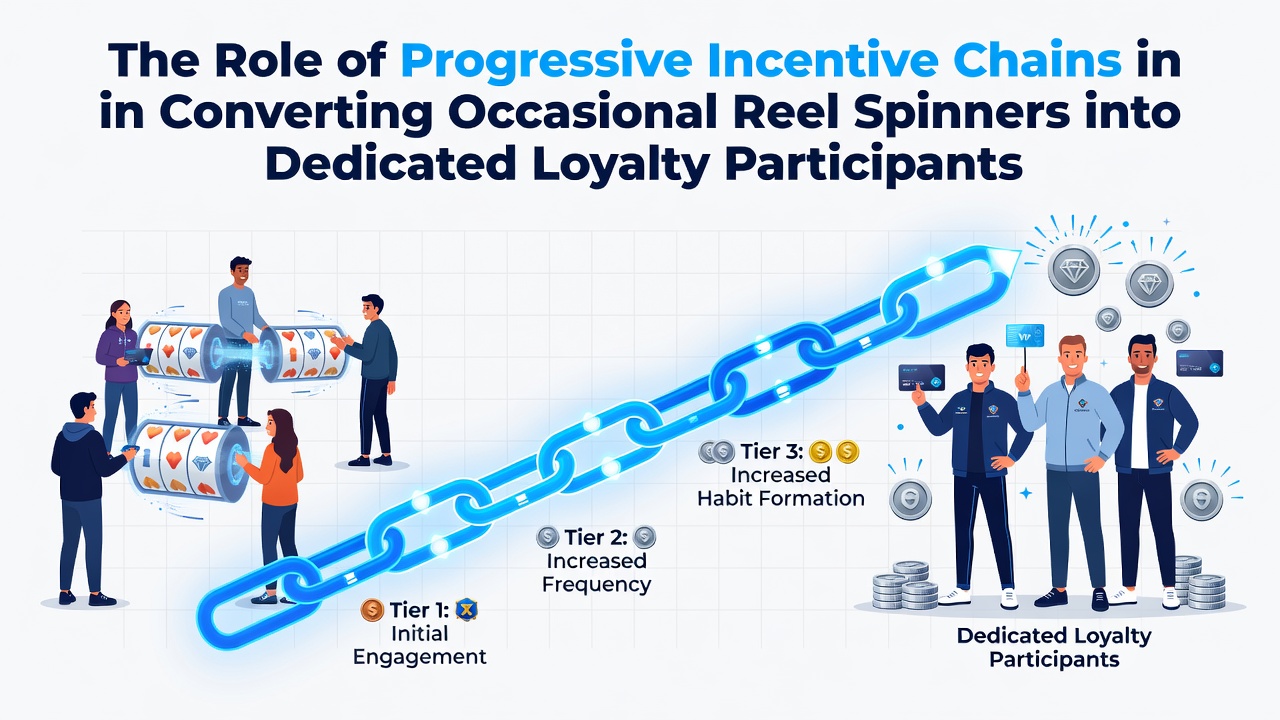
Progressive Incentive Chains: Mechanisms for Cultivating Loyalty in Occasional Slot Players
Progressive incentive chains function as layered reward frameworks that escalate benefits based on accumulated activity, and operators deploy these structures to guide occasional slot participants through defined milestones toward sustained engagement. Data from multiple gaming markets shows that players advance through initial free spin allocations into points-based tiers where rewards multiply in value, and this progression creates measurable retention lifts within the first three months of enrollment. Observers note that systems often begin with entry-level triggers such as deposit matches or daily login credits, then shift toward higher multipliers and exclusive event access once thresholds are met.
Core Components of These Chains
Each chain typically incorporates points accrual from real-money spins, tier advancement criteria, and reward redemption options that increase in scale, while the design ensures that benefits remain visible through app notifications and account dashboards. Research indicates that platforms integrating progressive elements report conversion rates from casual to regular play that exceed those of flat bonus models, and this pattern holds across various stake ranges. One documented approach links daily spin requirements to weekly loyalty points that unlock personalized free play packages, creating a feedback loop that encourages repeated visits without abrupt reward drops.
August 2026 saw several operators refine their chain algorithms to incorporate session-length bonuses alongside volume metrics, and these adjustments aligned with broader platform updates aimed at maintaining engagement across mobile and desktop channels. Industry reports highlight that players who reach the second or third tier within ninety days demonstrate retention metrics up to forty percent higher than those who remain at entry level, according to aggregated operator data shared through trade associations.
Observed Conversion Patterns Across Markets
Analyses from North American and Australian gaming sectors reveal that progressive chains reduce churn among low-frequency users by providing incremental goals that feel attainable yet rewarding, and this structure differs from one-time welcome offers by maintaining momentum through ongoing accumulation. Experts have documented cases where a player starting with a modest no-deposit allocation progressed to VIP-level status within four months after consistent participation triggered automatic tier upgrades and enhanced cashback rates. Such pathways rely on transparent tracking systems that display remaining points needed for the next level, which helps sustain motivation without requiring external prompts.
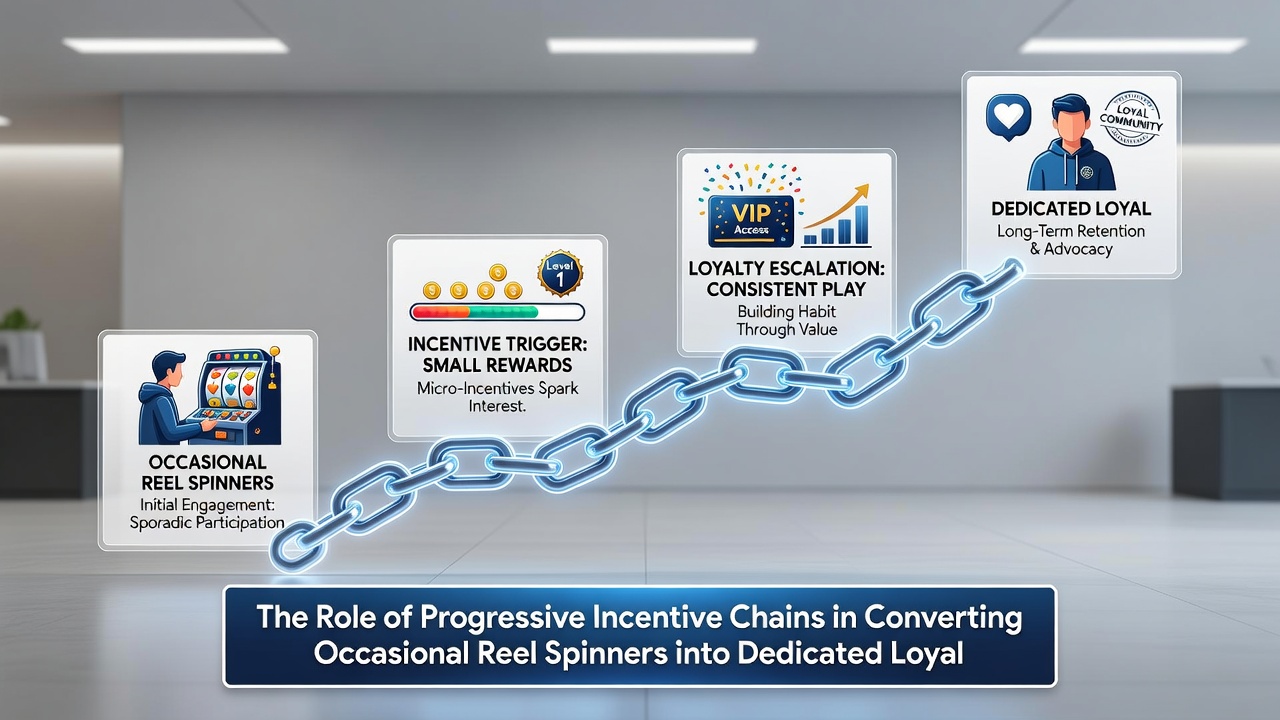
Further examination of player behavior data indicates that chains incorporating social or competitive elements, such as leaderboard challenges tied to bonus unlocks, accelerate movement from occasional to dedicated status, and these features appear more frequently in markets with established regulatory oversight. Figures from the American Gaming Association underscore that loyalty program participation correlates with extended play sessions when rewards scale progressively rather than remain static. Meanwhile, academic reviews conducted through the International Gaming Institute at UNLV have tracked how structured incentive ladders influence repeat visit frequency among demographic groups that initially engage only during promotional periods.
Implementation Considerations for Operators
Operators design these chains to balance accessibility for new entrants with meaningful differentiation at higher tiers, ensuring that the path from first interaction to loyalty membership remains clear and measurable. Systems often segment rewards by game type or wager volume, allowing players to select progression routes that align with personal preferences while still feeding into the overarching loyalty structure. Evidence suggests that transparent communication of chain rules through in-app tutorials and email summaries supports higher completion rates, as participants understand exactly what actions advance their status.
Adjustments observed in mid-2026 included the addition of time-limited accelerators that temporarily boost point earnings during specific windows, and these modifications helped sustain momentum for players approaching tier boundaries. Data patterns show that such timed elements can compress the typical timeline from occasional to dedicated participation when paired with existing progressive frameworks.
Conclusion
Progressive incentive chains operate through systematic reward escalation that converts sporadic slot activity into consistent loyalty participation, and available metrics across regulated markets demonstrate their capacity to elevate retention when implemented with clear milestones and scalable benefits. Continued refinement of these structures, including integration of session-based triggers and competitive features, reflects ongoing adaptation to player response data. Observers continue to monitor how these mechanisms evolve alongside technological and regulatory shifts to maintain effectiveness in guiding players along defined loyalty pathways.