Mapping Reward Pathways From Welcome Offers to Sustained Digital Slot Participation
Ines Jung · Jun 25, 2026
Mapping Reward Pathways From Welcome Offers to Sustained Digital Slot Participation
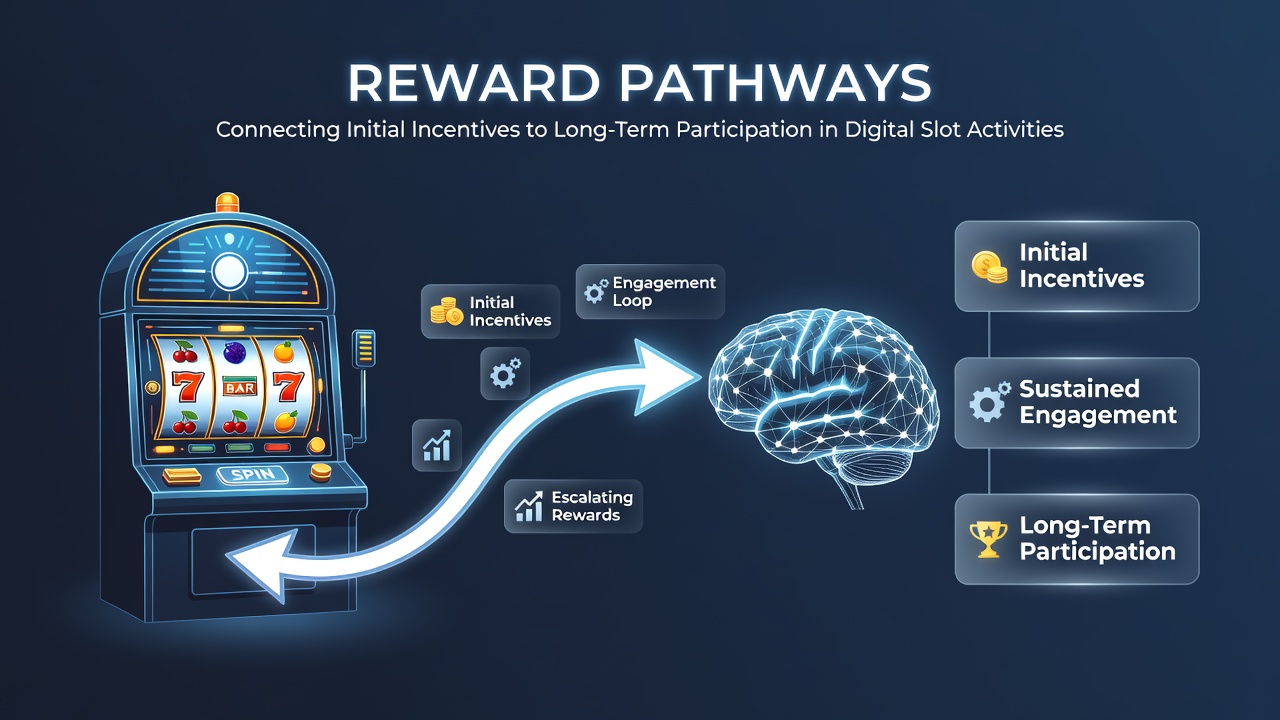
Digital slot platforms rely on structured reward pathways that begin with entry-level incentives and evolve into mechanisms supporting extended participation, according to industry analyses from multiple regions. These pathways integrate welcome bonuses, free spin allocations, and tiered loyalty structures that encourage repeated engagement without relying solely on initial deposits. Research from academic institutions such as the University of Nevada Reno has documented how such systems connect early player actions to longer-term behavioral patterns in online gaming environments.
Initial Incentives as Entry Points
Operators introduce welcome packages that typically include matched deposits or no-deposit spins to establish first contact with new users. These offers function as gateways, allowing participants to explore game mechanics while accumulating small wins or credits that reinforce continued play. Data compiled by the American Gaming Association shows participation rates rise when these incentives align with clear progression rules, such as wagering requirements that unlock additional features over successive sessions.
Platforms often layer these starting rewards with time-limited events that highlight specific titles or progressive jackpots. Players who complete the initial requirements move into automated tracking systems that log activity and adjust future offers based on volume and frequency. This transition occurs seamlessly in many cases, turning one-time activations into recurring login patterns observed across North American and European markets.
Progression Through Tiered Structures
Once initial incentives are claimed, loyalty frameworks activate point accumulation models that feed into VIP classifications. Points convert into cashback percentages, exclusive tournaments, or accelerated withdrawal options that maintain momentum beyond the welcome phase. Observers note that these tiers create visible milestones, where reaching higher levels grants access to customized game recommendations and dedicated support channels.
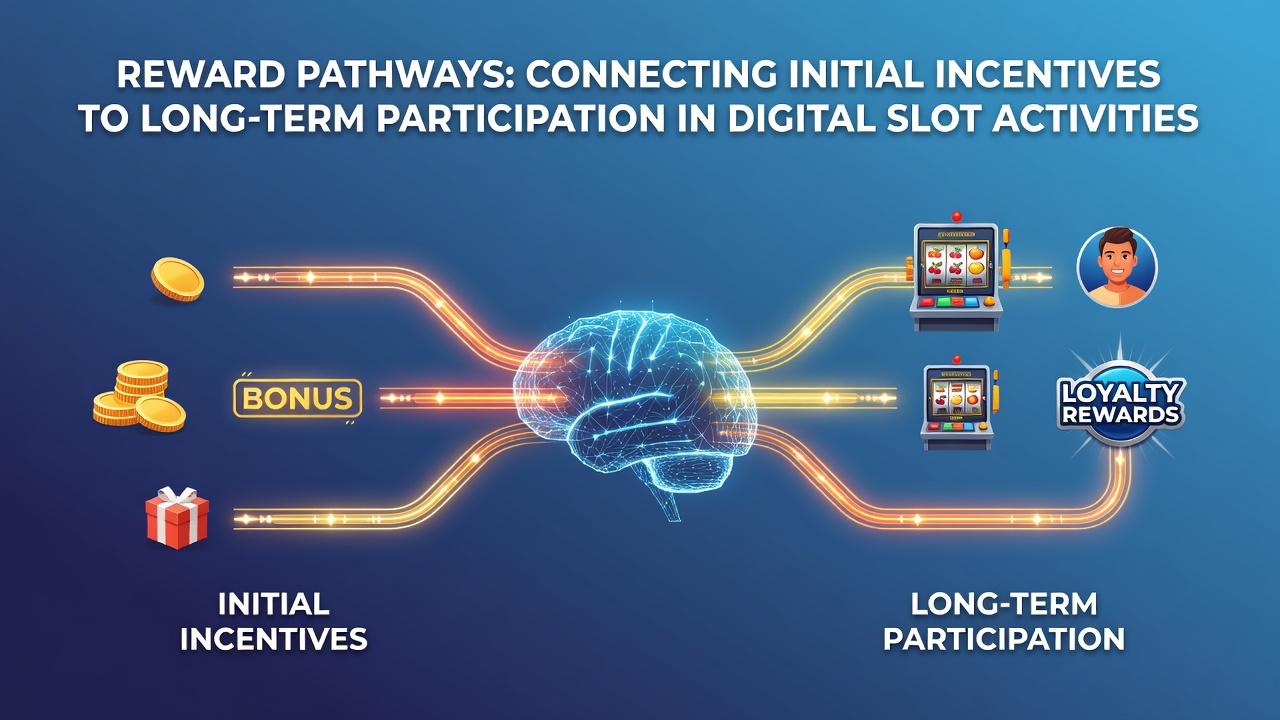
European operators regulated under frameworks like those overseen by the Malta Gaming Authority have reported similar patterns in retention metrics, where players advancing through three or more tiers demonstrate extended session lengths compared to entry-level accounts. The systems employ algorithms that balance reward frequency with perceived value, preventing rapid saturation while sustaining interest through incremental upgrades.
Data Trends Around Mid-2026
Industry figures released in June 2026 highlighted growth in loyalty-driven engagement across digital channels, with average active days per user increasing in markets that emphasize seamless reward integration. Canadian regulatory summaries from the same period indicated parallel developments, noting that platforms combining initial spins with ongoing point multipliers retained higher percentages of registered accounts over six-month windows. These statistics align with broader observations that reward pathways reduce early drop-off when designed with transparent rules and predictable outcomes.
Academic reviews of player behavior further connect these pathways to habit formation elements, where consistent small reinforcements encourage habitual access rather than sporadic visits. Reports from the European Gaming and Betting Association emphasize that such designs appear across both regulated and emerging jurisdictions, adapting to local requirements while preserving core progression logic.
Examples of Pathway Implementation
One documented case involves a major platform that introduced a multi-stage welcome sequence followed by a points-based club system; users completing the first three levels received personalized reel sets and bonus multipliers that scaled with continued activity. Another instance from Australian operators showed integration of daily login streaks with loyalty ladders, where early incentives directly fed into streak trackers that reset weekly but carried forward accumulated benefits.
These implementations rely on backend tracking that monitors deposit frequency, game variety, and session duration to calibrate offers dynamically. When pathways function effectively, participants report clearer understanding of how actions translate into tangible returns, supporting voluntary extension of play periods.
Conclusion
Reward pathways in digital slot activities establish connections between entry incentives and prolonged participation through progressive structures and data-informed adjustments. Evidence from regulatory bodies and research centers across North America, Europe, and Australia demonstrates consistent application of these models in maintaining user activity levels. As platforms refine these systems, the focus remains on aligning incentive timing with observable behavioral indicators to support sustained engagement patterns.