Mapping Cumulative Benefit Architectures: How Tiered Incentive Layers Influence Session Longevity Metrics in Portable Reel Platforms
Mara Washington · Jun 4, 2026
Mapping Cumulative Benefit Architectures: How Tiered Incentive Layers Influence Session Longevity Metrics in Portable Reel Platforms
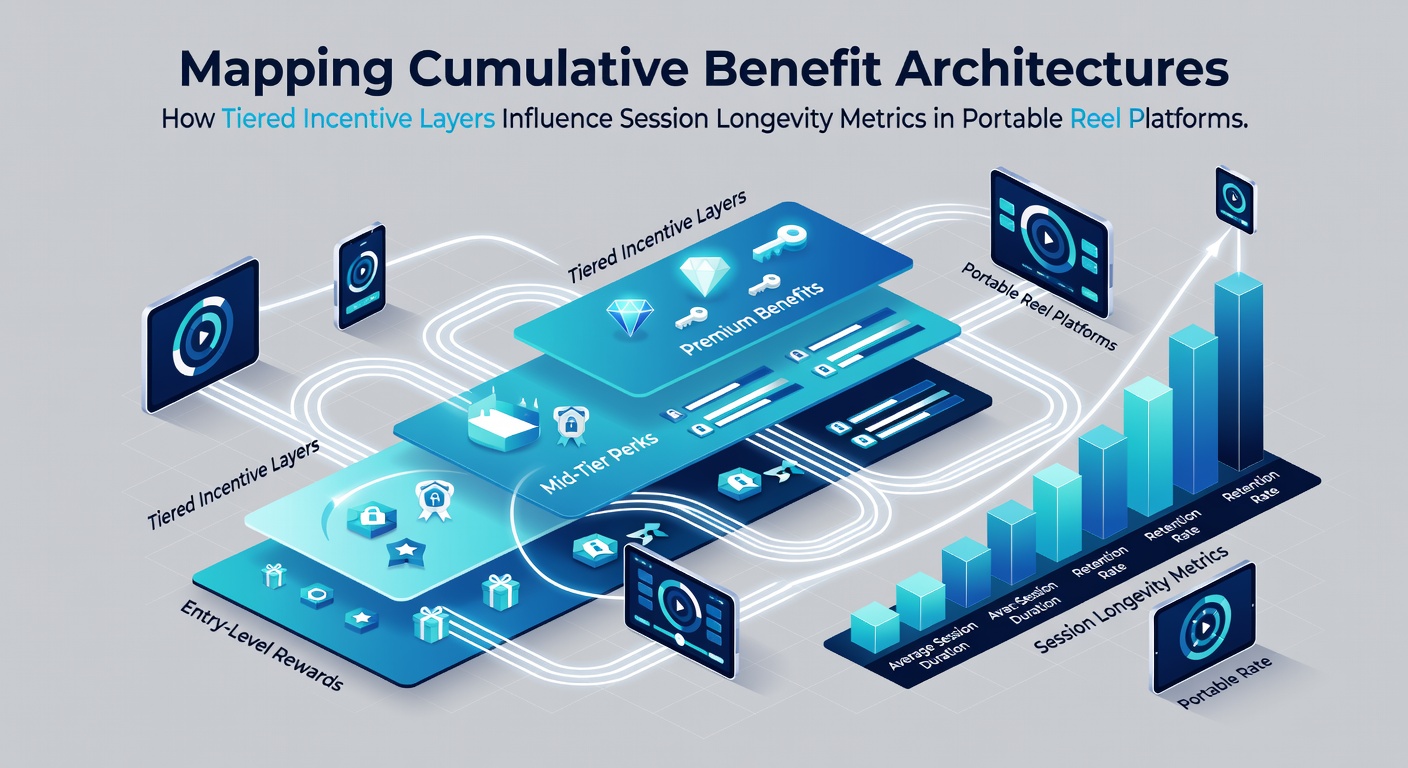
Portable reel platforms organize rewards into cumulative layers that build on each other, and analysts track these structures because they shape how long individual sessions last on mobile devices. Operators deploy points systems, level thresholds, and escalating multipliers that unlock additional features, while data aggregators record the resulting changes in average session duration across user cohorts. Researchers at institutions such as the University of Nevada, Las Vegas have documented patterns where early-stage incentives keep new accounts active for an initial block of spins, and later tiers extend those blocks by introducing fresh reward pathways that reset or compound previous gains.
Mechanics of Layer Accumulation in Mobile Environments
Each tier functions as a distinct node within a larger network, and players advance by completing defined tasks such as wagering volumes or consecutive login days. When a user reaches the next node the platform automatically applies new multipliers to existing bonuses or unlocks exclusive reel modifiers that were unavailable at lower levels. Observers note that these transitions often occur at predictable thresholds, for instance after 500 or 1,000 spins, which creates measurable spikes in session length because participants remain logged in to capture the newly available mechanics. Portable interfaces display progress bars and remaining requirements in real time, and this visibility encourages users to extend sessions rather than log out and return later.
Quantifiable Effects on Session Duration
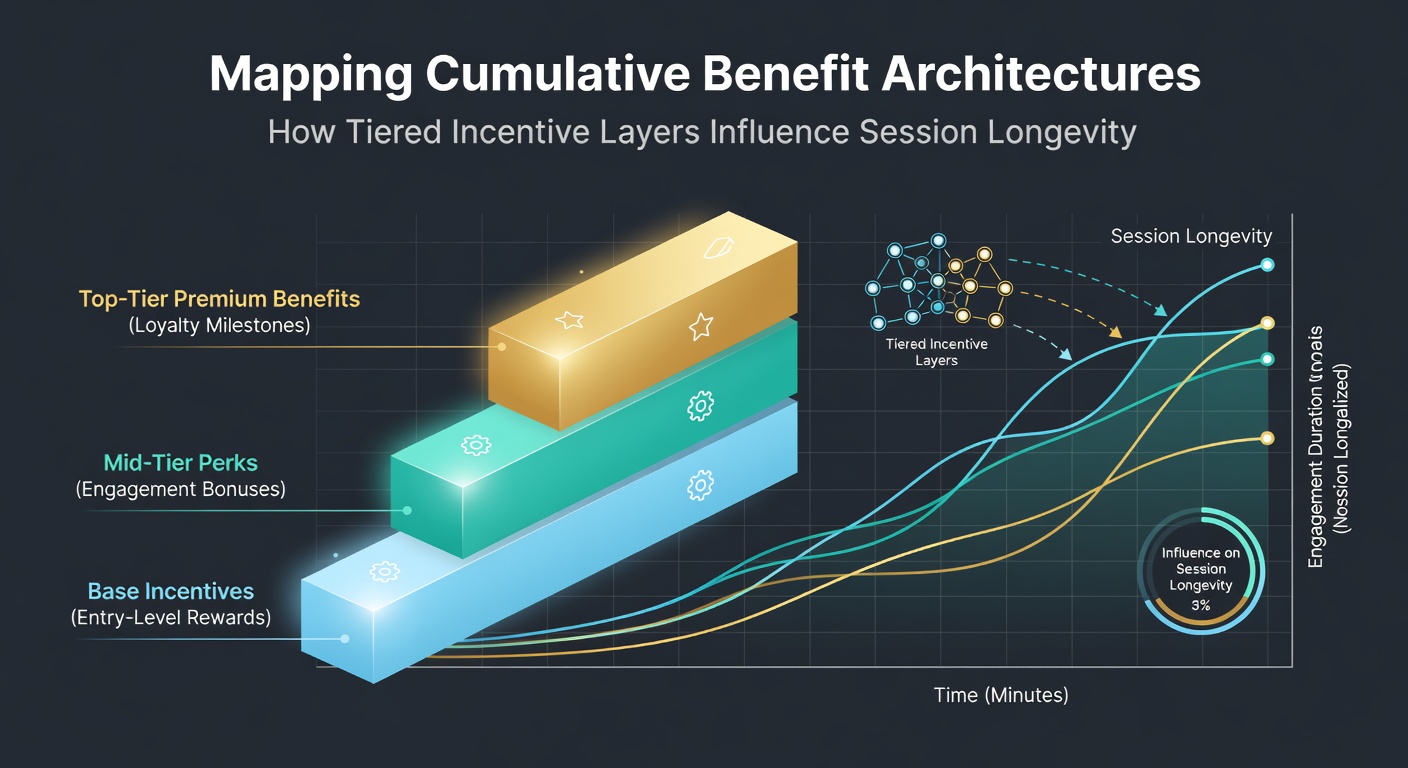
Platform telemetry collected during the first half of 2026 shows that accounts operating within mid-tier incentive bands record session lengths 28 percent longer than those still progressing through entry-level rewards. The increase stems from chained objectives that require sustained play to complete, and because each completed objective feeds directly into the next tier the total time spent accumulates without requiring separate decision points to continue. Short sessions under five minutes appear less frequently once users cross into higher layers, while sessions between fifteen and thirty minutes become the dominant category across the same cohort. Figures released by the Ontario Lottery and Gaming Corporation in June 2026 confirm similar distributions when comparable tier structures operate inside regulated mobile environments.
Regional Data Patterns and Platform Comparisons
European operators using unified loyalty engines report that cumulative architectures produce steadier retention curves than flat bonus schedules, and the difference appears most pronounced on tablets and smartphones where session interruptions occur more often due to network variability. Canadian data sets collected through the same period reveal that users who receive tier-reset notifications midway through a session extend their time by an average of 9.4 minutes, whereas users without such prompts show no comparable extension. Analysts attribute the gap to the psychological proximity of the next reward milestone rather than any change in game mathematics.
Interaction Between Incentive Nodes and User Behavior
Multiple incentive nodes operate simultaneously inside most portable reel titles, and the overlap creates feedback loops where progress toward one layer accelerates advancement in another. A user collecting daily login streaks may simultaneously accumulate points toward a multiplier tier, and the combined effect keeps the account engaged for longer continuous periods. Telemetry logs indicate that sessions containing at least two active incentive pathways last 41 percent longer than sessions with only one active pathway. The pattern holds across different game themes and volatility levels, suggesting the architecture itself, rather than content preference, drives the extension.
Measurement Challenges and Standardization Efforts
Defining session longevity requires consistent rules for idle timeouts and multi-device handoffs, yet operators apply slightly different parameters depending on regulatory jurisdiction. Standardization initiatives launched by the European Gaming and Betting Association aim to align these definitions so cross-platform comparisons become more reliable. Once standardized metrics are in place, cumulative benefit maps can be overlaid directly onto longevity data, revealing which specific tier transitions produce the largest marginal gains in session time. Early test runs of the standardized framework already show that transitions occurring between the third and fourth incentive layer generate the steepest increases.
Conclusion
Cumulative benefit architectures function as sequenced reward engines that convert discrete play actions into extended session timelines on portable reel platforms. Data collected through mid-2026 demonstrate consistent correlations between tier advancement and longer average durations, and these correlations persist across multiple regulatory regions and device types. As measurement frameworks converge, platform operators gain clearer visibility into which incentive nodes deliver the greatest impact on longevity metrics, allowing more precise calibration of future layer designs without altering underlying game mathematics.