Layered Reward Systems and Retention Patterns Across Digital Reel Platforms
Mara Washington · Jul 20, 2026

Layered Reward Systems and Retention Patterns Across Digital Reel Platforms
Virtual reel environments operate through structured incentive frameworks that build player engagement over extended periods, and researchers have documented how these systems layer rewards from initial access bonuses through sustained loyalty mechanisms. Data from multiple jurisdictions shows these progressive structures influence session length and return frequency, with operators adjusting parameters to align with regulatory shifts expected in July 2026 across certain markets.
Core Components of Progressive Incentive Layers
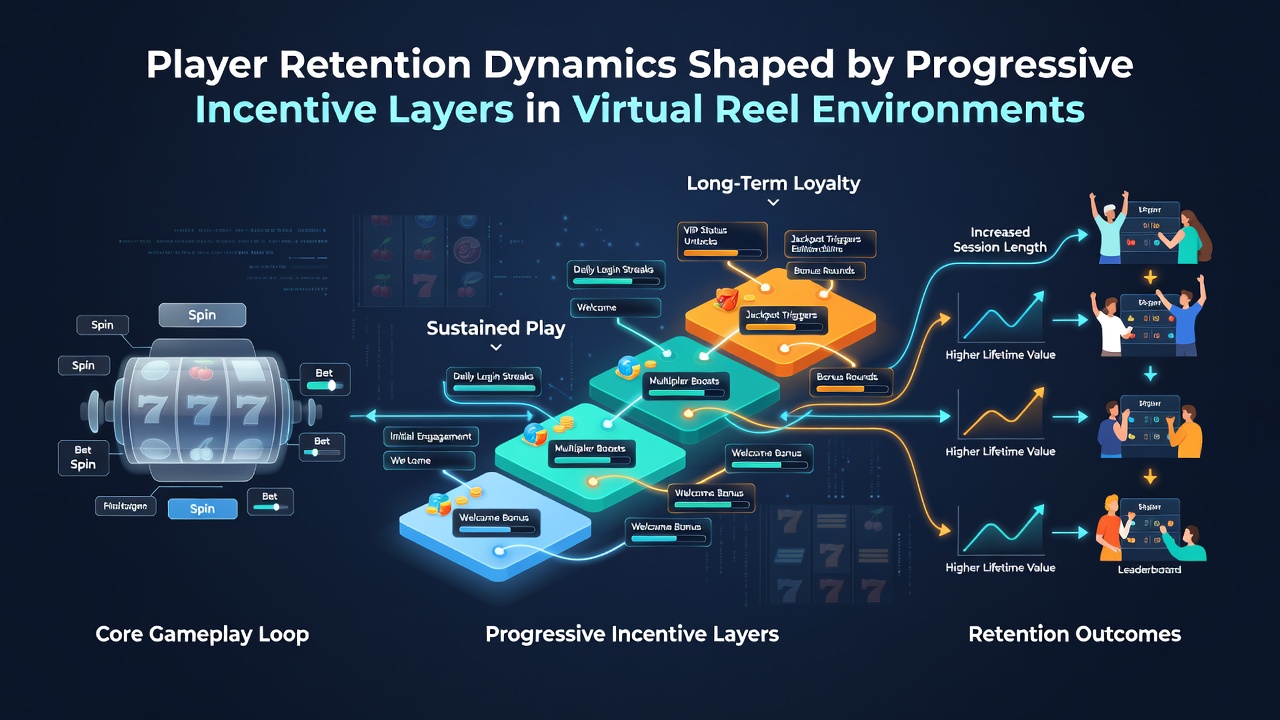
Initial welcome packages typically introduce players to core mechanics through deposit-matched credits and free spin allocations, while subsequent layers activate based on cumulative activity thresholds. These tiers incorporate escalating benefits such as enhanced cashback percentages, exclusive game access, and personalized reward multipliers that adjust according to play volume and frequency patterns. Observers note that the transition between layers often coincides with milestone achievements, creating natural progression points that encourage continued participation without abrupt changes in reward density.
Studies from academic institutions have examined retention metrics across platforms implementing such layered systems, revealing correlations between tier advancement speed and long-term account activity. For instance, one analysis conducted through Canadian research networks found that players reaching the second incentive tier within 14 days demonstrated higher 90-day retention rates compared to those progressing more slowly. The structure relies on transparent criteria that allow participants to track progress toward each subsequent layer through in-game dashboards and notification systems.
Retention Data Across Different Market Regions
Government reports from Australia indicate that platforms utilizing multi-tier loyalty frameworks experienced measurable increases in average session duration during periods when incentive layers expanded to include daily login streaks and weekly challenge completions. These additions integrate with existing reel mechanics by awarding additional spins or bonus credits that feed directly into ongoing play sequences. Industry associations have compiled figures showing similar patterns in European markets where operators introduced hybrid models combining time-based and activity-based progression.
What's interesting is how these systems adapt when external factors intervene, such as the regulatory adjustments slated for July 2026 that will affect machine compliance standards in select regions. Operators have begun recalibrating virtual incentive parameters to maintain engagement levels while aligning with updated technical requirements, shifting emphasis toward digital reward streams that function independently of physical hardware constraints.
Integration With Game Mechanics and Player Pathways
Progressive layers connect directly to reel features through bonus round multipliers and symbol enhancements that unlock at specific tier levels. This integration creates feedback loops where higher-tier participants encounter modified game mathematics that sustain interest while still operating within certified random number generation parameters. Those who've studied these implementations observe that the layering approach distributes reward value across multiple session types rather than concentrating it in single events.
Take one case where researchers tracked player cohorts across North American online platforms, where data showed that combining entry-level free spin packages with mid-tier loyalty boosts resulted in extended play sequences compared to flat reward structures. The progression mechanics encourage exploration of different game titles within the same ecosystem, as certain layers grant access to premium titles or exclusive events that operate on separate reel configurations.
Measurement Approaches and Industry Tracking Methods
Retention analytics rely on cohort tracking that monitors account activity from initial registration through successive incentive milestones. Metrics include return visit intervals, total spin counts per layer, and conversion rates between tiers, all compiled through anonymized datasets submitted to oversight bodies. Academic papers published through European university programs have outlined methodologies for isolating the effects of individual incentive layers on these variables while controlling for external variables like marketing campaigns and seasonal fluctuations.
But here's the thing: platforms must balance layer complexity against player comprehension, since overly intricate progression paths can reduce participation in later tiers. Reports from gaming associations emphasize the importance of clear communication tools that display remaining requirements for advancement alongside current benefits, allowing participants to make informed decisions about continued engagement.
Conclusion
Progressive incentive layers continue to shape retention dynamics in virtual reel environments through structured reward escalation that aligns with documented player behavior patterns across regions. As operators prepare for regulatory developments including those scheduled around July 2026, the focus remains on maintaining transparent and adaptable systems that connect initial access points to sustained activity frameworks. Data from diverse sources demonstrates consistent relationships between tiered structures and engagement metrics, providing operators with measurable parameters for system refinement while researchers track evolving patterns in player progression across digital platforms.