Delving Into the Layered Structures of Cumulative Rewards in Slot Loyalty Programs
Erik Lehmann · Jul 11, 2026

Delving Into the Layered Structures of Cumulative Rewards in Slot Loyalty Programs
Slot loyalty frameworks operate through structured systems that convert player wagers into accumulating credits, and these credits determine access to escalating benefits over time. Operators design these frameworks around base earning rates where a set amount wagered typically generates one loyalty point, while additional factors such as game type and session length adjust the total. Research from industry reports indicates that many programs apply multipliers during peak hours or for specific machine categories, which accelerates the overall accumulation without altering the fundamental conversion mechanics.
Base Earning Formulas and Adjustment Variables
Points calculation begins with a fixed ratio applied to coin-in totals, yet variables like player tier status and promotional periods modify that ratio mid-session. Data shows that standard slots often award one point for every five to ten dollars wagered, while high-denomination games may use different scales that favor faster progression. Those who track these systems note that daily or weekly caps sometimes limit maximum points earned from a single account, which prevents runaway accumulation while maintaining steady engagement across multiple visits.
External events such as tournament participation or linked progressive contributions can inject bonus points directly into an account balance, and these additions combine with regular earnings to push players toward the next threshold. According to analyses from the American Gaming Association, loyalty platforms integrate real-time tracking software that updates balances after each spin, allowing immediate visibility into progress without requiring manual claims.
Tier Progression and Multiplier Effects
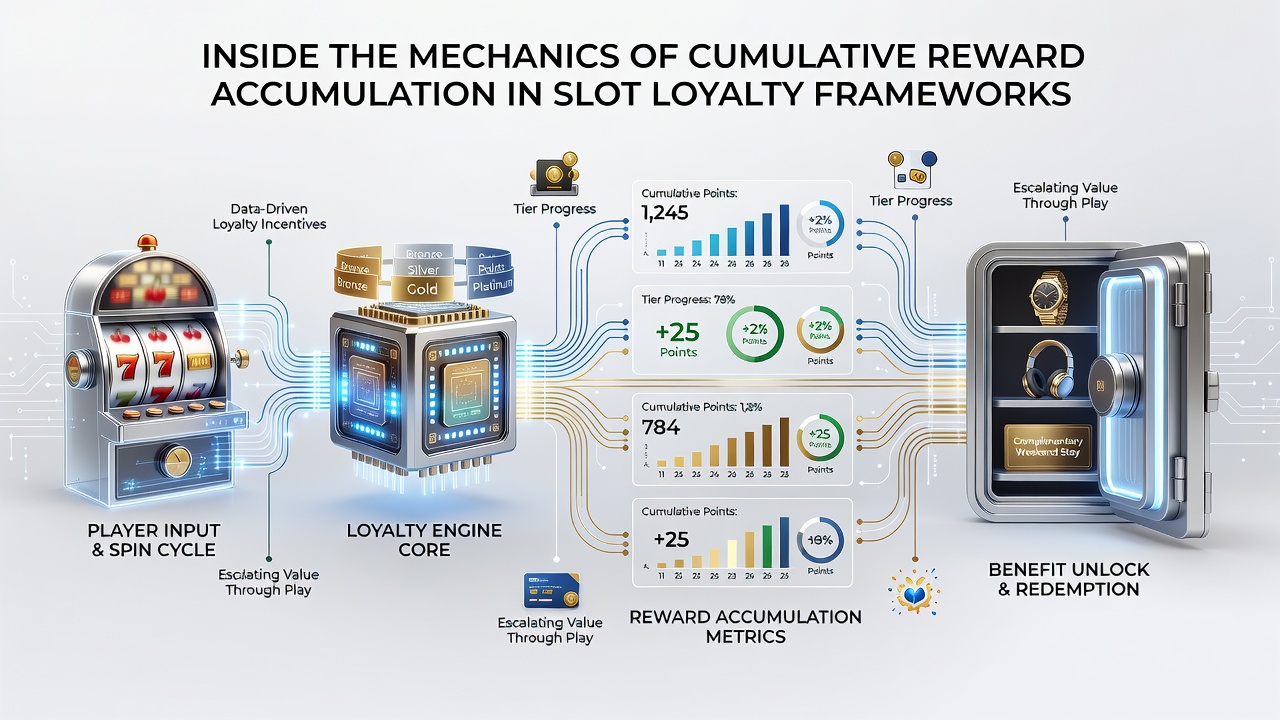
Loyalty programs divide participants into ascending tiers where each level unlocks higher earning coefficients that apply retroactively to future play. Reaching a new tier requires crossing cumulative point targets that reset on an annual or semi-annual cycle, and observers report that the gap between mid and top tiers often demands several times more points than entry levels. Once achieved, the elevated multiplier remains active until the cycle ends, compounding the effect of regular wagering on total rewards collected.
Some frameworks incorporate time-decay elements that reduce inactive accounts' point values after set periods, which encourages consistent participation rather than sporadic large deposits. Figures from regulatory filings in multiple jurisdictions reveal that tier benefits frequently include priority access to new releases and dedicated support channels, both of which indirectly support further point generation through extended play sessions.
Redemption Pathways and Cascading Benefits
Accumulated points convert into tangible rewards through menus that list options ranging from free spins to merchandise and travel packages. Redemption occurs at fixed point costs that scale with reward value, and many systems allow partial redemptions that leave remaining balances intact for future use. What's significant is how some programs layer additional bonuses onto redemptions, such as granting extra points when players exchange credits during promotional windows, which creates secondary accumulation loops within the primary framework.
External regulatory shifts scheduled for July 2026 in certain markets are prompting operators to adjust loyalty thresholds and disclosure requirements around point expiration, yet the core accumulation formulas remain unchanged in most documented cases. Those studying these adjustments note that clearer communication of earning rates helps maintain player trust while complying with updated standards.
Integration With Game Mechanics and External Data
Modern loyalty engines connect directly with slot mathematics so that volatility and return-to-player percentages influence point distribution indirectly through session length. High-volatility titles tend to produce longer play intervals that favor steady point growth, whereas lower-volatility options support shorter, more frequent visits that accumulate points in smaller increments. A study published by the University of Nevada's gaming research division found correlations between loyalty tier status and average bet size, indicating that higher tiers often correspond with increased wagering activity over time.
Cross-property networks extend these mechanics across multiple venues, allowing points earned at one location to contribute toward global tier status. This connectivity relies on centralized databases that synchronize balances in near real time, and industry organizations such as the European Gaming and Betting Association have documented how such networks increase overall retention metrics without requiring changes to individual property earning rates.
Conclusion
Cumulative reward systems in slot loyalty frameworks rely on transparent conversion rules, tier-based multipliers, and flexible redemption options that together sustain long-term participation. As operators refine these structures ahead of upcoming regulatory updates, the underlying mathematics of point accumulation continues to determine how quickly players advance and what benefits become available at each stage. Continued monitoring of earning data across jurisdictions provides ongoing insight into how these frameworks evolve while preserving their core operational integrity.