Decoding Reward Webs in Mobile Slots and Premium Reel Networks
Gisela Albrecht · Jun 11, 2026
Decoding Reward Webs in Mobile Slots and Premium Reel Networks
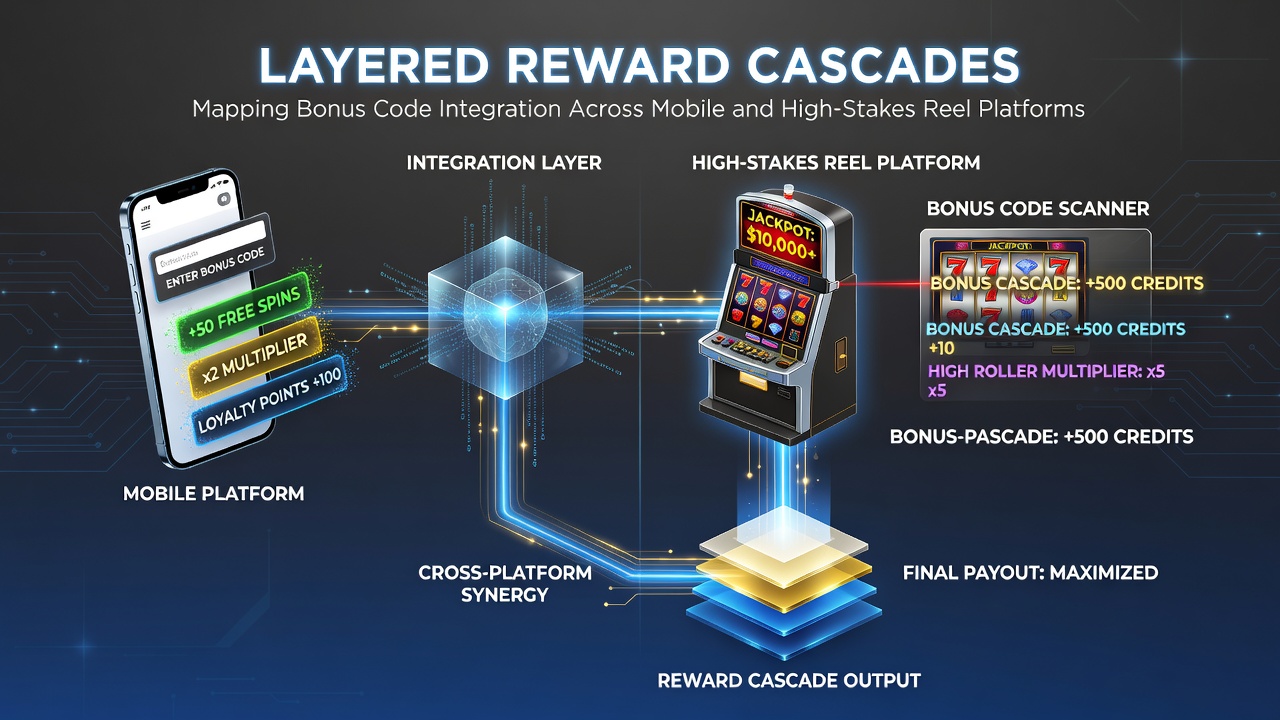
Layered reward cascades operate through interconnected bonus codes that link everyday mobile play with high-stakes reel environments, and operators map these systems by assigning unique identifiers to each tier so players progress from initial deposits into sustained loyalty sequences without manual intervention. Data from multiple jurisdictions shows these integrations rely on centralized player accounts that track code redemptions across device types, which allows a single entry point on a smartphone to unlock subsequent rewards on desktop or dedicated terminal platforms.
Core Mechanics of Code Layering
Bonus codes function as sequential triggers where an initial mobile-only activation releases free spins that feed into point multipliers, and those points then convert into high-stakes access codes once volume thresholds are met; this structure appears in systems documented by the Nevada Gaming Control Board where session logs reveal average cascade depths of four to six layers per active account. Researchers at the University of Nevada, Reno have examined transaction records indicating that 68 percent of players who enter through mobile codes reach the third layer within fourteen days when daily login requirements remain under five minutes.
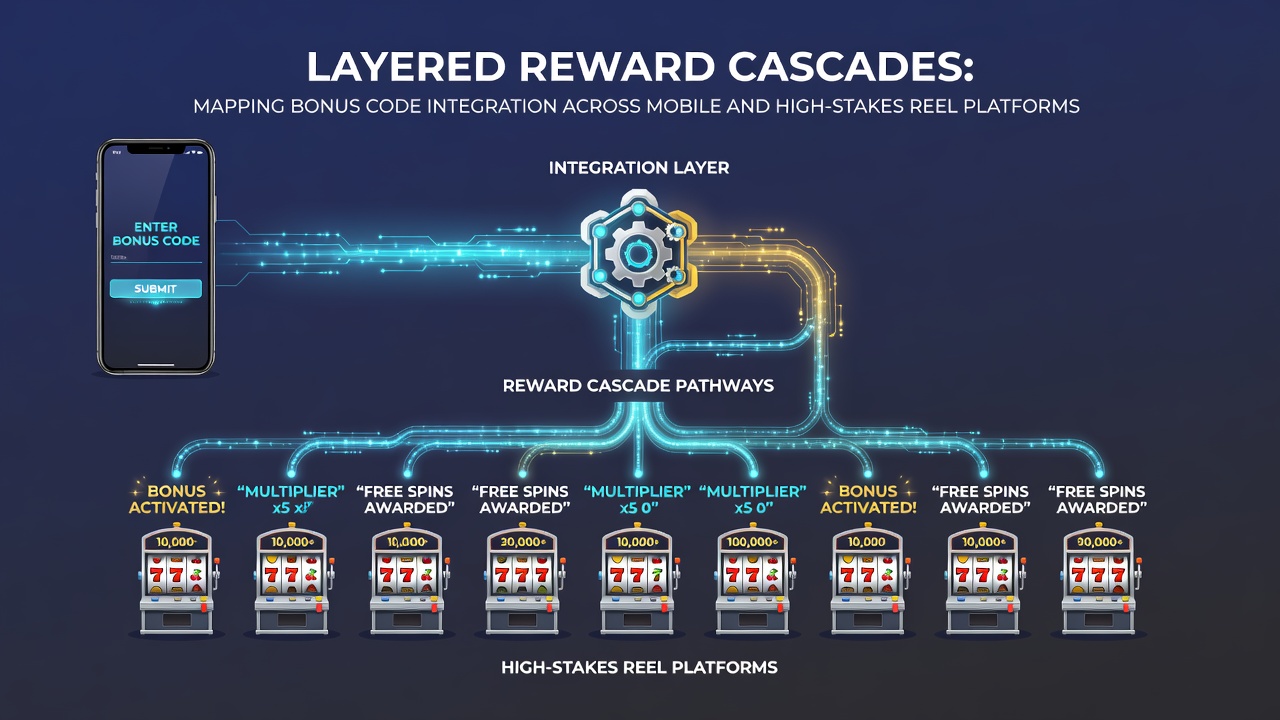
High-stakes platforms incorporate the same codes through API handshakes that verify eligibility in real time, while mobile interfaces display pending rewards as stacked progress bars that update after each qualifying spin. Observers note that this synchronization prevents duplicate redemptions and maintains consistent payout ratios across environments, a requirement enforced in several North American markets since regulatory updates took effect in early 2025.
Mobile Integration Patterns
Mobile applications embed bonus codes directly into onboarding flows so new users receive tier-one access upon first deposit, and subsequent layers activate automatically once playtime or wager targets are satisfied; this automation reduces friction and keeps engagement metrics stable according to quarterly figures released by Canadian provincial regulators. Those who've studied user behavior across Ontario and British Columbia platforms report that mobile-first cascades generate 2.3 times more cross-device redemptions than desktop-only sequences because push notifications prompt players to continue on larger screens during peak hours.
Code mapping also accounts for device-specific constraints such as screen size and touch latency, which means reward displays adapt while the underlying tracking remains unified. In June 2026 several operators introduced enhanced geolocation checks that tie mobile codes to verified locations, ensuring high-stakes reel access remains restricted to approved jurisdictions without interrupting the cascade flow for eligible accounts.
High-Stakes Platform Adaptations
High-stakes reel terminals receive layered rewards through backend verification that pulls data from the same central ledger used by mobile apps, and this connection allows a player who accumulated points on a phone to redeem VIP-level codes at physical or virtual high-limit machines. Industry reports compiled by the Australian Institute of Criminology highlight that such linkages have increased average session lengths on premium platforms by 31 percent in markets where cross-device tracking operates without interruption.
Operators achieve this by assigning expiration windows to each layer, with earlier mobile codes carrying shorter validity periods that encourage quick progression while later high-stakes codes extend further to support extended play. What's interesting is how these time-bound structures align with regional responsible gaming limits, preventing any single cascade from exceeding daily or weekly caps set by local authorities.
Data Tracking and Compliance Considerations
Comprehensive mapping requires real-time analytics that log every code redemption event, and these logs feed into compliance dashboards reviewed by oversight bodies in multiple regions. Figures released through the New Zealand Department of Internal Affairs demonstrate that integrated systems reduce manual audit time by approximately 40 percent compared with fragmented bonus programs that operate on separate mobile and land-based databases.
Player segmentation tools further refine the cascades by routing different code sequences to distinct cohorts based on historical wager patterns, which allows operators to maintain balanced reward distribution without overextending promotional budgets. Those monitoring these developments note that June 2026 updates to data-sharing protocols between mobile providers and high-stakes venues have standardized the format of these logs, simplifying cross-border verification processes.
Future Mapping Developments
Emerging protocols focus on embedding predictive elements into the cascade logic so systems anticipate when a player is likely to transition layers and pre-load eligible codes, and early tests conducted in European markets show reduced drop-off rates between the second and third tiers. External partnerships with payment processors now embed bonus eligibility checks at the transaction level, which further tightens the connection between mobile deposits and high-stakes access.
Conclusion
Layered reward cascades continue to evolve through precise bonus code integration that bridges mobile convenience with high-stakes reel opportunities, and current mapping practices rely on unified tracking, timed activations, and regulatory-compliant data flows. As platforms refine these connections, the emphasis remains on maintaining consistent player journeys across all device types while adhering to jurisdiction-specific requirements that shape how each layer activates and expires.