Charting the Development of Multi-Stage Reward Pathways That Encourage Consistent Interaction With Digital Fruit Machines
Mara Washington · Aug 24, 2026
Charting the Development of Multi-Stage Reward Pathways That Encourage Consistent Interaction With Digital Fruit Machines
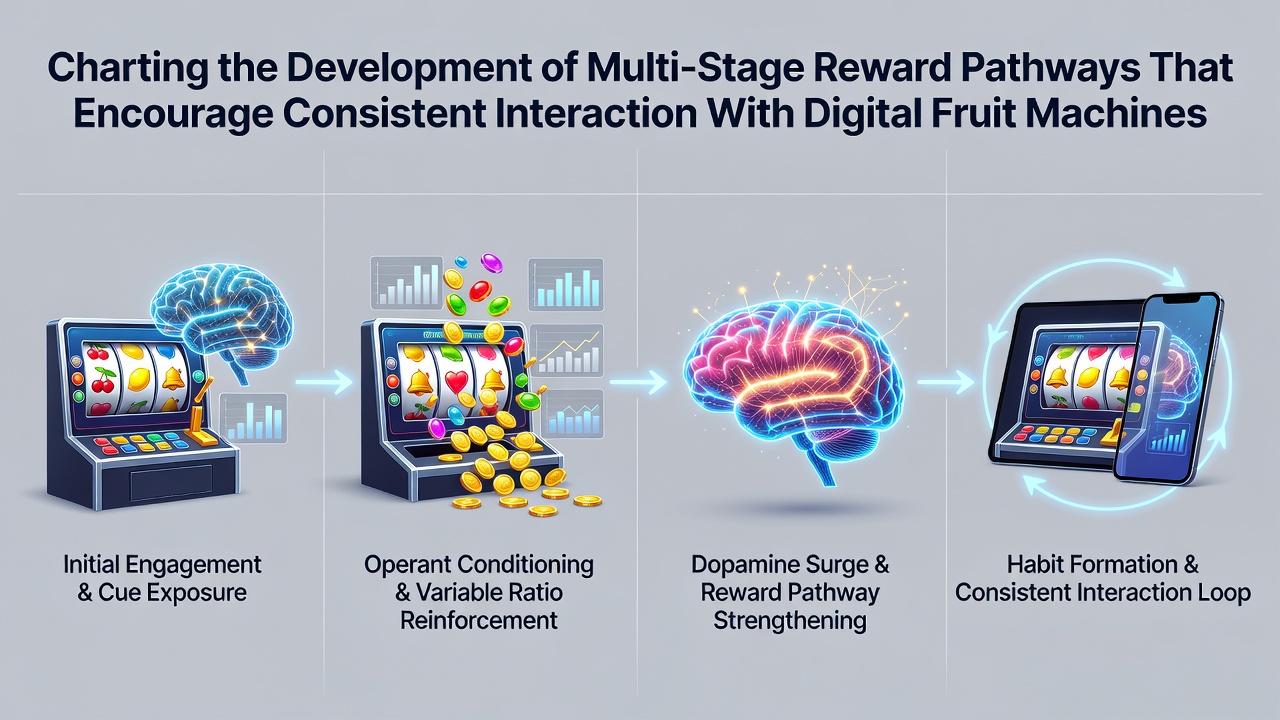
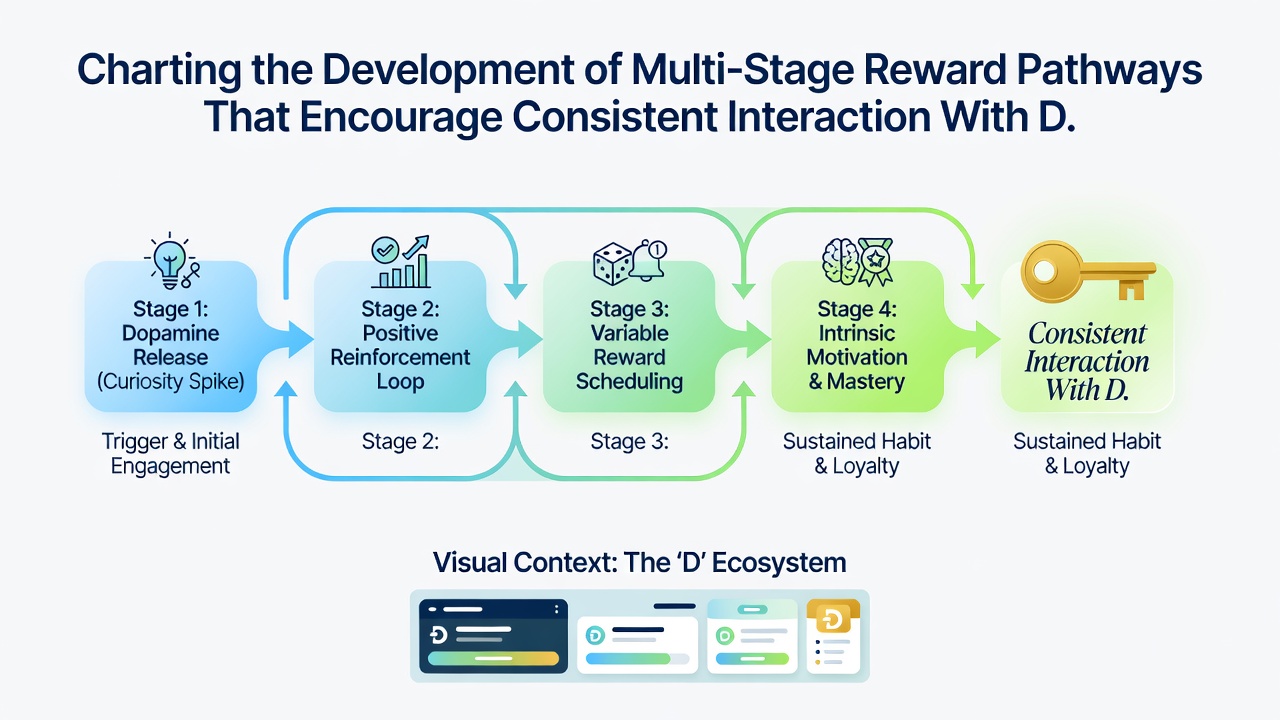
Digital fruit machines have incorporated multi-stage reward pathways over several decades, building from simple payout tables into intricate systems that track player activity across multiple sessions and levels. These structures typically begin with entry-level incentives such as free spins or small credit awards, then advance through accumulated points that unlock additional features including enhanced multipliers, exclusive game modes, and tiered loyalty benefits. Data from industry reports indicate that such progressions maintain engagement by linking immediate outcomes to longer-term accumulation goals, with operators adjusting thresholds based on session volume and frequency metrics.
Early implementations in the 1990s relied on basic progressive jackpots and fixed bonus rounds, yet subsequent refinements introduced variable reward schedules that respond to patterns of repeated interaction. Researchers have noted that these pathways often segment into distinct phases where initial play generates foundational credits, mid-level activity activates cumulative bonuses, and extended participation delivers premium access to specialized content. According to analyses from the Nevada Gaming Control Board, operators in regulated markets have expanded these mechanisms to align with player retention data collected through centralized tracking systems.
Early Foundations of Layered Incentive Designs
Initial reward models in digital fruit machines centered on straightforward random number generator outcomes paired with occasional bonus triggers, but developers soon integrated persistent player accounts that carried progress across visits. This shift allowed systems to monitor total spins, wager amounts, and win frequencies, creating the basis for staged advancement. Studies from academic sources such as those published in the Journal of Gambling Studies reveal that these early layers reduced dropout rates by providing visible milestones that encouraged continuation rather than isolated sessions.
By the mid-2000s, integration with loyalty platforms enabled operators to combine on-machine bonuses with external perks including cashback percentages and tournament entries. The pathways gained complexity through conditional triggers where completion of one stage automatically qualified users for the next, often involving escalating requirements like minimum daily logins or cumulative bet totals. Observers note that this structure mirrored elements found in other digital entertainment sectors while remaining tailored to regulatory limits on prize distribution and machine configuration.
Expansion Through Data-Driven Adjustments
Advancements in analytics software permitted real-time modification of reward pathways, with algorithms reallocating bonus probabilities based on aggregate player behavior across thousands of terminals. As of August 2026, updates to these systems have incorporated machine learning elements that predict optimal stage transitions for different demographic segments, though core mechanics continue to emphasize transparency in published payout percentages. Figures from Canadian provincial regulators, including the Alcohol and Gaming Commission of Ontario, show steady increases in the deployment of multi-tier loyalty integrations within licensed venues during recent reporting periods.
One notable development involves hybrid pathways that blend time-limited events with permanent progression tracks, allowing casual participants to access short-term rewards while dedicated users advance through cumulative tiers. These designs frequently employ visual progress bars and notification systems that update after each qualifying action, reinforcing the connection between consistent interaction and escalating benefits. External research from the University of Nevada, Reno, highlights how such interfaces correlate with measurable extensions in average session duration when compared against single-stage alternatives.
Integration With Regulatory Frameworks Across Regions
Regulatory bodies outside the United Kingdom have influenced pathway development through requirements for responsible gaming features, such as mandatory loss limits and session reminders that interact with reward accumulation. In Australia, state-level commissions have mandated clear disclosure of how bonus stages activate, ensuring players understand the conditions attached to each level. Similar approaches appear in European markets where national authorities require operators to separate promotional rewards from core game mathematics, preventing overlap that could obscure actual odds.
Industry associations including the American Gaming Association have compiled case studies demonstrating how staged rewards can incorporate voluntary self-exclusion tools without disrupting overall progression logic. These reports emphasize technical standards that maintain audit trails for every reward disbursement, supporting compliance verification processes. Data compiled across multiple jurisdictions indicates that well-structured pathways sustain revenue streams while meeting mandated player protection benchmarks.
Technical Components Supporting Sustained Engagement
Backend systems powering these pathways rely on centralized databases that synchronize player states across physical and online platforms, enabling seamless transitions between device types. Reward triggers often combine deterministic elements like fixed point thresholds with probabilistic bonuses that activate at random intervals within defined ranges. Software providers have documented how modular architecture allows operators to introduce new stages incrementally without full system overhauls, preserving continuity for existing accounts.
Security protocols encrypt progression data and validate each advancement against predefined rules, reducing opportunities for manipulation. Testing laboratories certify that random elements within pathways adhere to approved return-to-player percentages, independent of loyalty status. Observers from technical standards organizations confirm that these safeguards have become standard practice as digital fruit machines scale to handle larger player volumes.
Conclusion
Multi-stage reward pathways in digital fruit machines continue to evolve through incremental technical refinements and cross-jurisdictional regulatory influences. Current implementations demonstrate clear linkages between structured incentives and patterns of repeated engagement, supported by analytics that inform ongoing adjustments. As platforms expand, the emphasis remains on maintaining verifiable fairness alongside the layered systems that guide player progression from initial entry points to advanced participation levels.